The Secret to Glass That Doesn’t Shatter
Ever had a piece of lab glassware just… give up on you? One minute it’s fine, the next it’s a pile of shards. Usually, it’s because of internal stress. If you cool it too fast or hit a cold spot, the glass snaps. Simple as that. To stop this, we use infrared lamps that hold the annealing point within 0.1°C. It sounds like a tiny margin, but in this world, it’s everything.
Why we obsess over 0.1°C
Here’s the thing: glass goes through a tricky phase where it shifts from being pliable to totally rigid. If the temperature swings by even a few degrees during that window, you get a thermal gradient. That gradient basically locks stress into the material. When we keep things stable to 0.1°C, the whole vessel reaches the same equilibrium. You aren’t just blasting it with heat; you’re giving the molecules time to relax and settle in.
The gear that makes it happen
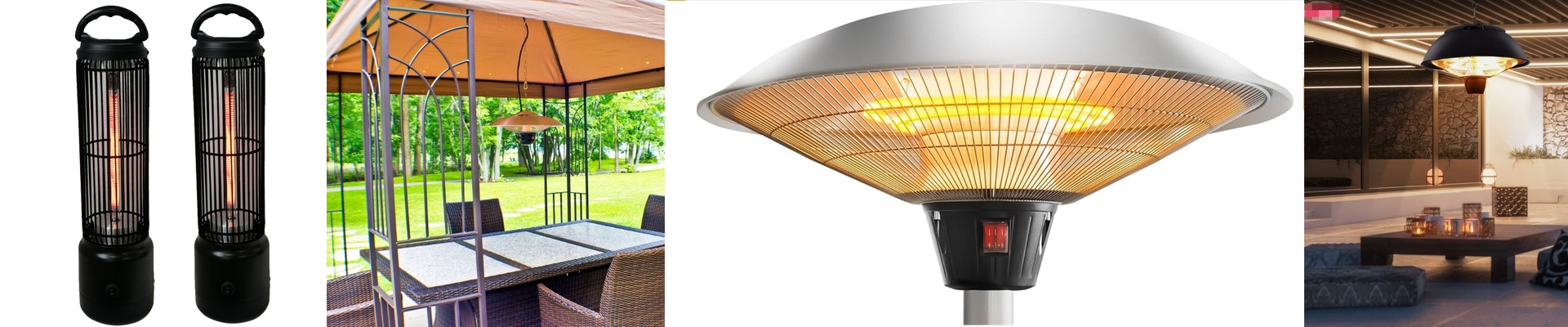
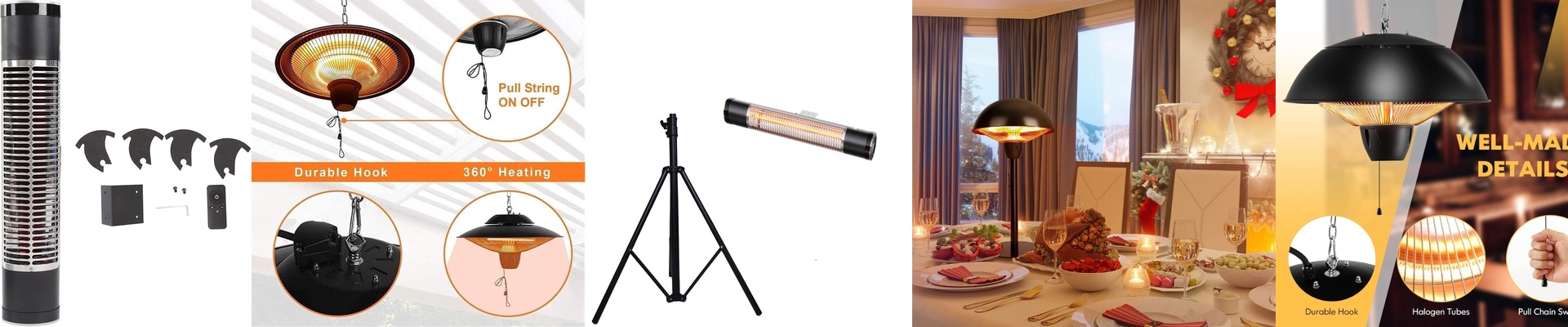
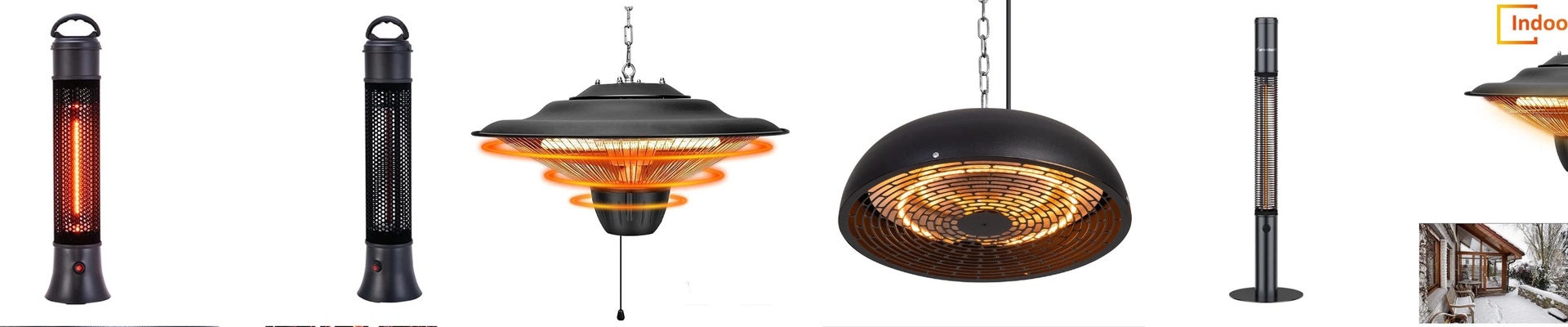
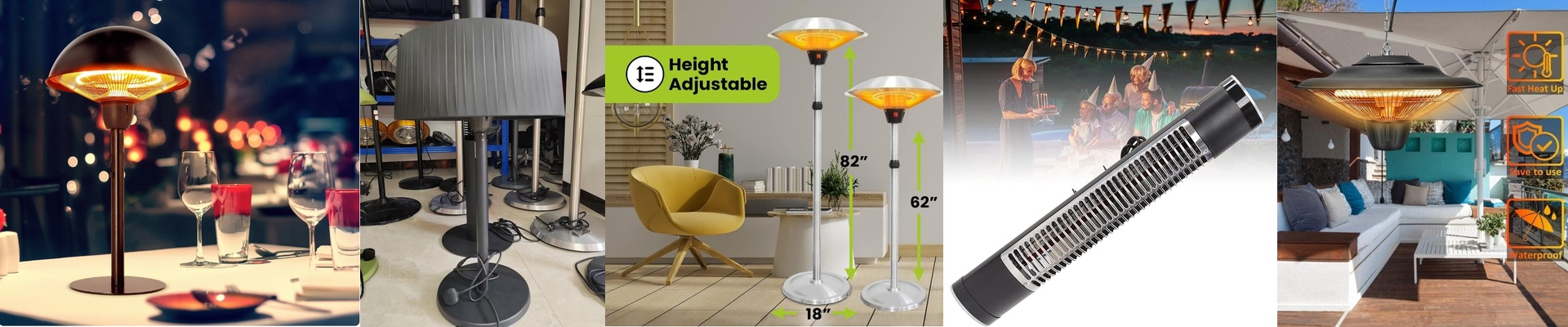
We build our IR elements to spread heat evenly across the entire surface. We stick with shortwave infrared because it actually sinks deep into the glass walls. Longwave radiation tends to just heat the surface—the “skin”—leaving the core cold. That’s a recipe for disaster. To get this right, you need a high-accuracy PID controller and a thermocouple that reacts instantly. If your sensor is slow, the lamp will overshoot the target, and you’re right back where you started.
The trade-offs (The messy part)
High-precision IR heating puts out a lot of energy. While the glass stays perfect, your housing is going to feel the heat. You’ve got to be smart about your cooling fans and insulation. If the oven walls soak up too much heat, you’ll get thermal drift, and there goes your precision. One last tip: use high-temperature shielded cables. Otherwise, electromagnetic interference will mess with your sensor readings, and you’ll be guessing instead of knowing.