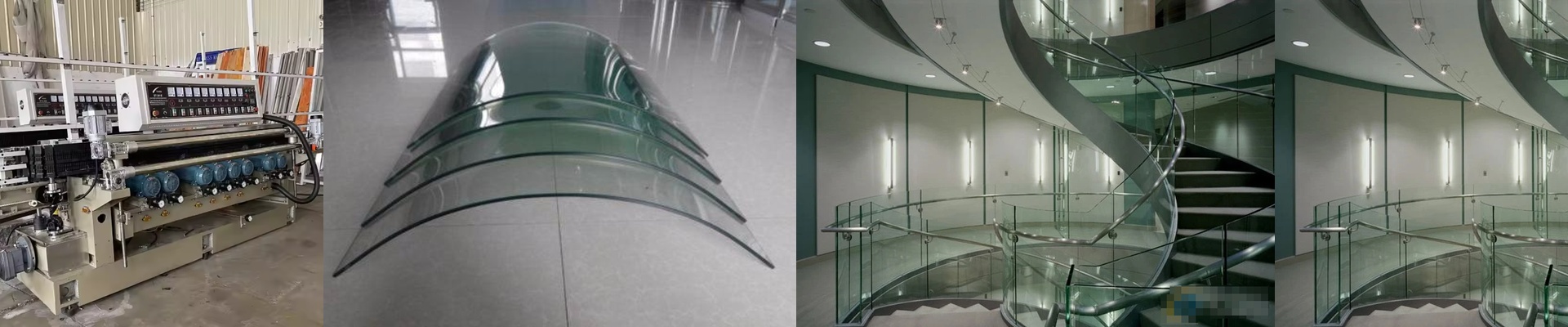
On the shop floor, transfer printing on glass doesn’t fail loud—it fails quietly. You spot it after cure: hairline cracks near the edges, hazing across the print zone, or adhesion that drifts enough to show up in final inspection. More often than not, the bottleneck is the heating step. If the dryer can’t lay down uniform heat without creating thermal gradients, you pay in rework and scrap, and the line slows to chase acceptable yield.
Wat telt op de werkvloer is dat transferdrukken op glas niet met een duidelijke foutmelding mislukt — het mislukt stilletjes. Je ziet het na het uitharden: haarfijne barstjes bij de randen, bewolking over het drukgebied of hechtproblemen die zichtbaar worden bij de eindinspectie. Meestal is de bottleneck de verwarmingsstap. Als de droger geen gelijkmatige warmte kan aanbrengen zonder thermische gradiënten te veroorzaken, betaal je in nabewerking en afval, en vertraagt de lijn om nog net acceptabele opbrengst te halen.
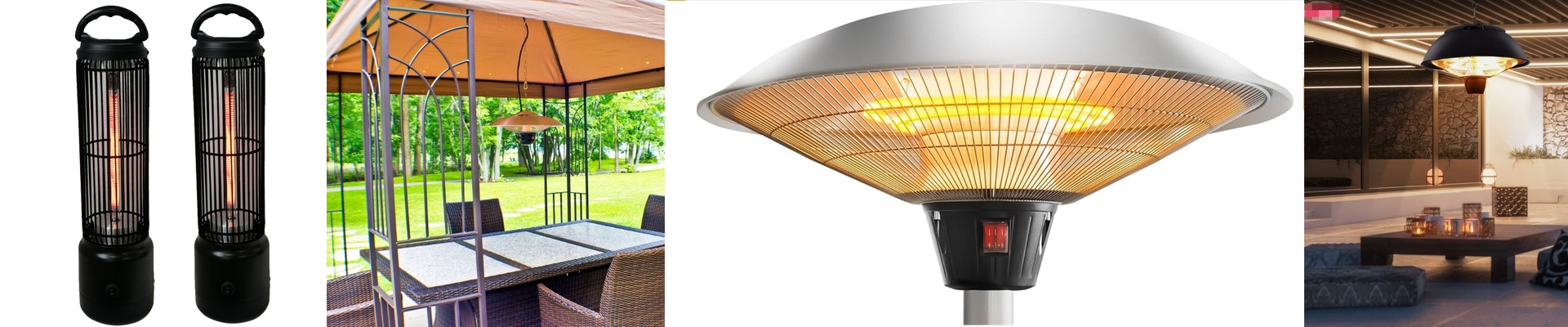
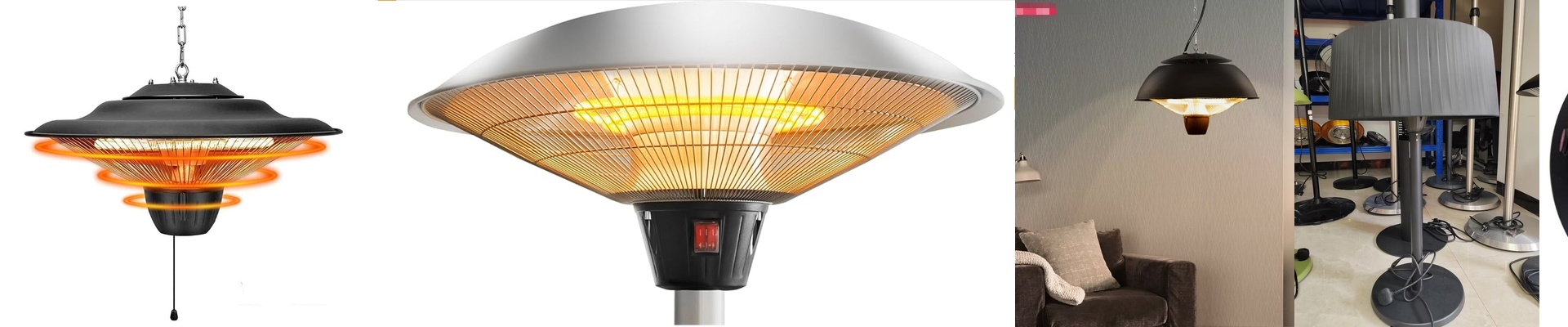
What matters, technically, is controlled heat delivery, not brute wattage. The core of the setup is near-infrared (NIR) emitters—fast response, tight spectral control. Energy goes into the coated surface and the substrate without a lot of convection stirring the print. Zone-based control keeps the thermal field even across the glass, so you don’t get local hot spots that drive stress. Technisch gezien draait het om gecontroleerde warmtetoediening, niet om ruwe wattages. De kern van de opstelling bestaat uit near-infrared (NIR)-emitters — met snelle respons en strakke spectrale controle. Energie wordt in het gecoate oppervlak en substraat gebracht zonder dat er veel convectie is die de print verstoring. Zone-gebaseerde regeling houdt het thermisch veld gelijkmatig over het glas, zodat er geen lokale hotspots ontstaan die spanningen veroorzaken.
The payoff is consistent curing that plays nicely with downstream work—whether the glass is headed for annealing, tempering, or bending. In practice, that means fewer rejects tied to thermal shock and repeatability that holds shift to shift. Het resultaat is constante uitharding die aansluit bij de volgende processtappen — of het glas nu naar het gloeiproces, hardingsproces of buigen gaat. In de praktijk betekent dit minder afkeuringen door thermische schokken en een herhaalbaarheid die per dienst stabiel blijft.
Transfer printing on glass is a throughput step, and the dryer has to keep pace without messing up dimensional stability. This unit hits target temperature quickly, holds it within tight tolerance, and cycles fast enough to match a high-line cadence. Energy use drops because NIR heats directly and on demand, so you’re not wasting time on long warm-ups or idling losses. Transferdrukken op glas is een doorvoerstap, waarbij de droger moet bijhouden zonder de dimensionale stabiliteit te verstoren. Deze unit bereikt snel de streeftemperatuur, houdt die binnen strakke toleranties en werkt snel genoeg om een hoge lijnsnelheid te volgen. Het energieverbruik daalt omdat NIR direct en op aanvraag verwarmt, zonder tijdverlies door lange opwarmfases of stilstandverliezen.
More importantly, it helps keep the glass free of stress concentrations. The print cures clean, and the substrate stays within acceptable flatness and edge quality. For plants running mixed thicknesses and different inks, adjustable profile support cuts changeover time without re-tuning the whole oven. Belangrijker nog, het helpt spanningsconcentraties in het glas te voorkomen. De print hardt goed uit en het substraat blijft binnen acceptabele vlakheid en randkwaliteit. Voor fabrieken die werken met wisselende diktes en verschillende inkten, verkort aanpasbare profielondersteuning de omsteltijd zonder dat de hele oven opnieuw afgesteld hoeft te worden.
Here’s the part that bites if you ignore it: NIR dryers are sensitive to line integration. Clearance around the glass path, emissivity differences between coated and uncoated surfaces, and ventilation for ink outgassing—all of it affects uniformity. Dit is het punt waar het misgaat als je het negeert: NIR-droger systemen zijn gevoelig voor lijnintegratie. Speling rond het glaspad, emissieverschillen tussen gecoate en ongecoate oppervlakken, en ventilatie voor dampafvoer van inkt — dit alles beïnvloedt de uniformiteit.
The retrofit is straightforward, but plan a short commissioning window to lock in setpoints and verify temperature distribution across the active zone. Once you’re aligned, the unit runs with minimal maintenance. But that initial setup is the make-or-break step. Get it right, and you stop chasing process stability. Get it wrong, and you’ll spend your days trying to hold yield. De retrofit is eenvoudig, maar plan een korte inbedrijfstelling om de setpoints vast te leggen en de temperatuurverdeling over de actieve zone te verifiëren. Zodra je uitgelijnd bent, werkt de unit met minimale onderhoudsbehoefte. Die eerste installatie is echter cruciaal. Doe je het goed, dan hoef je niet meer achter processtabiliteit aan te lopen. Doe je het fout, dan ben je continu bezig de opbrengst op peil te houden.