
Galleries and museums have a quiet rhythm. The air feels controlled, every step is measured. The trick is heating the space without putting the collection at risk—no drafts, no hot spots, no chemical byproducts. When the temperature dips, comfort needs to come back fast, but the environment has to stay exactly as it is.
What matters, technically
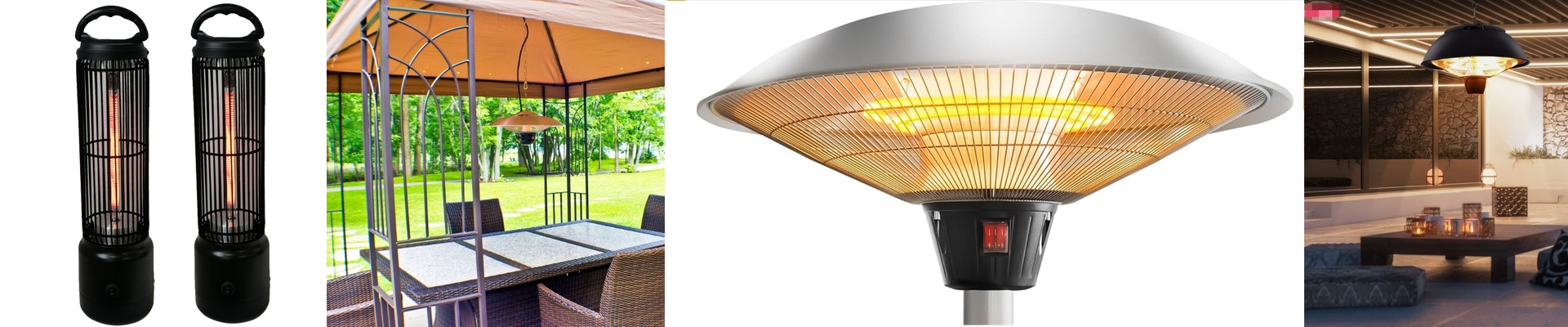
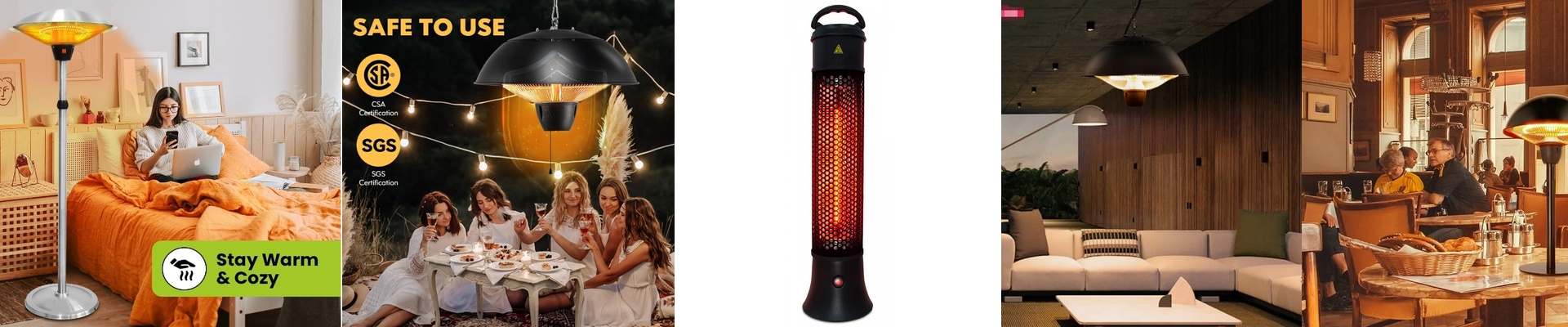
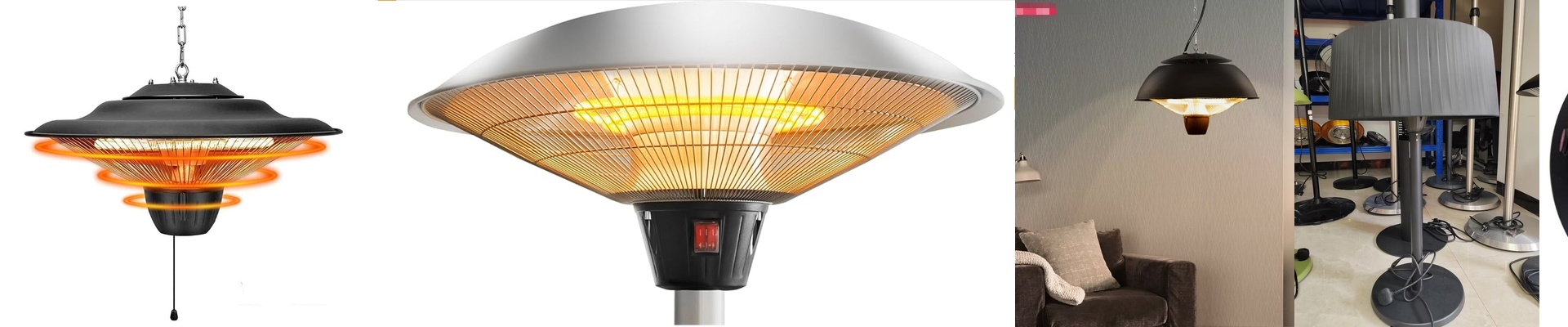
We lean on infrared radiant heat. It warms people and surfaces directly, not the air. In practice, you feel the warmth within seconds of the heater coming on, and the room temperature stays steady. For smaller spaces, a compact electric infrared heater with a focused output—often around 1.5 kW—covers intimate galleries without overshooting. The heating element stays enclosed in a protective housing, so there’s no open flame and no combustion gas. A built-in thermostat holds the setpoint, and tip-over protection adds a practical safety layer.
Why it fits these spaces
Infrared heat is gentle on conservation conditions. Because it doesn’t push air around, it doesn’t stir up dust or shift humidity across display cases. There’s no forced-air noise to get in the way of audio tours or quiet contemplation. The warmth arrives as a clean, even field of radiant heat, so visitors stay comfortable while artwork and artifacts stay in stable conditions. You also get straightforward operation: fast response, predictable control, and the ability to heat only the areas in use.
What to keep in mind
Infrared heaters work best with direct line-of-sight. Position the unit so the radiant field covers seating and walkways, and keep a sensible clearance from objects and fabrics. For recessed or flush installations, confirm the available depth and ventilation clearance before you commit. Infrared warmth feels immediate, but it won’t make the air feel as “hot” as a convection system. Pair it with a well-set thermostat and thoughtful placement, and the comfort just lands where it should.