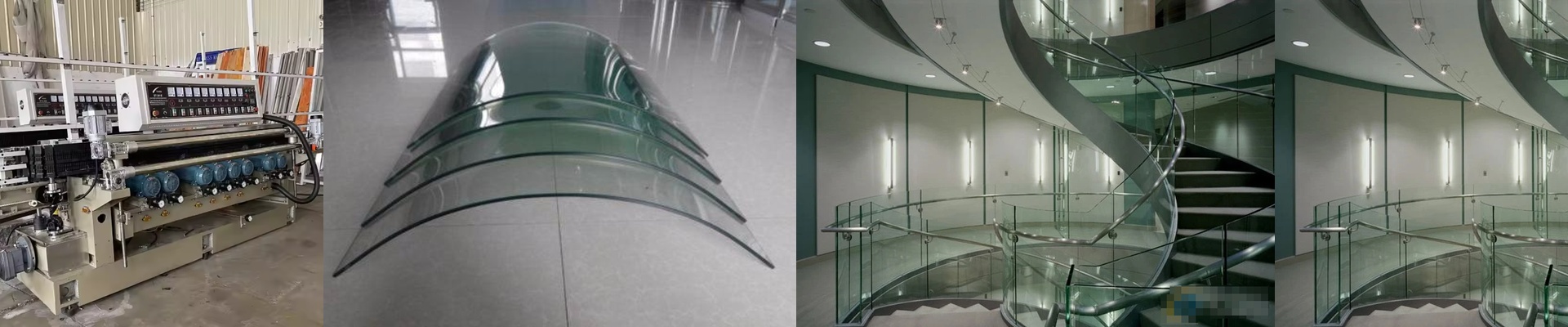
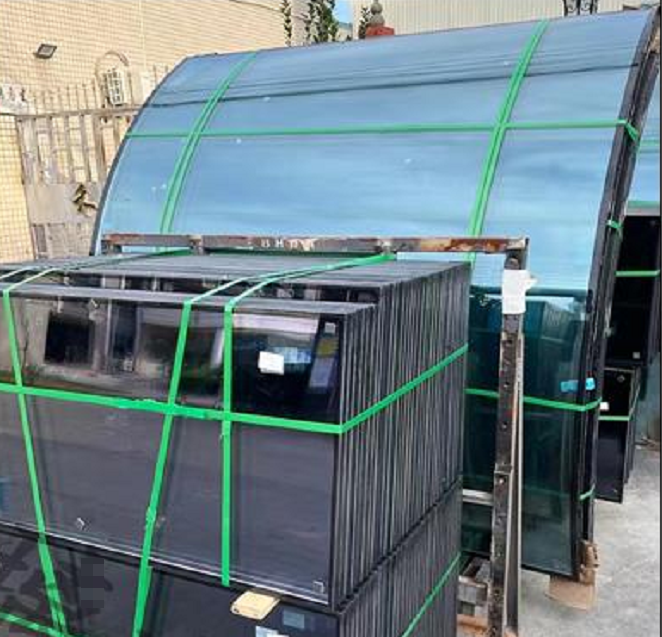
On the processing floor, the oven or laminator doesn’t forgive uneven heat. One hot spot, and coatings cure mottled. EVA and SGP lamination trap moisture. Insulating glass seals fail when the edge isn’t fully dried. One inconsistent zone, and you pay for it in scrap, rework, and warranty claims. What matters, technically We built the ceramic and glass dryer around medium-wave infrared emitters matched to the emissivity of glass and ceramic substrates. It heats volumetrically, fast, driving off surface and edge moisture without overheating the core. In practice, you get a quicker ramp-up, tighter temperature uniformity across the belt, and profiles that repeat shift after shift. The heater module is rated for 24/7 industrial duty, with a compact footprint that drops into existing lines and connectors that allow a straight swap for OEM heating sections. Why it works where it matters In tempering, bending, lamination, and insulating glass sealing, the bottleneck is moisture at the point of heat. Uniform drying keeps thermal stress cracks away and improves adhesion for coatings and interlayers. You end up with shorter cycles, higher throughput, and fewer rejects tied to blisters, haze, and weak seals. Energy use drops because the emitter heats the product directly instead of heating air, and setpoints stay stable without big swings. What to keep in mind Installation is straightforward, but line integration still needs attention to reflector geometry and airflow. The dryer performs best when product spacing is consistent and the target surface is clean. Plan to keep the quartz emitter window clean and verify the voltage match at your plant. A mismatched supply can cut output and shorten service life.