
The Physics of Industrial Infrared Heating
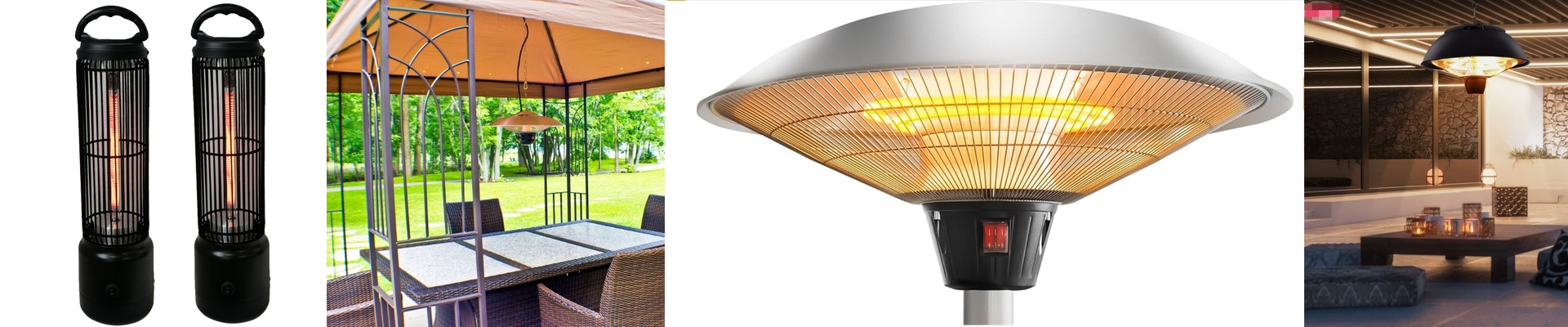
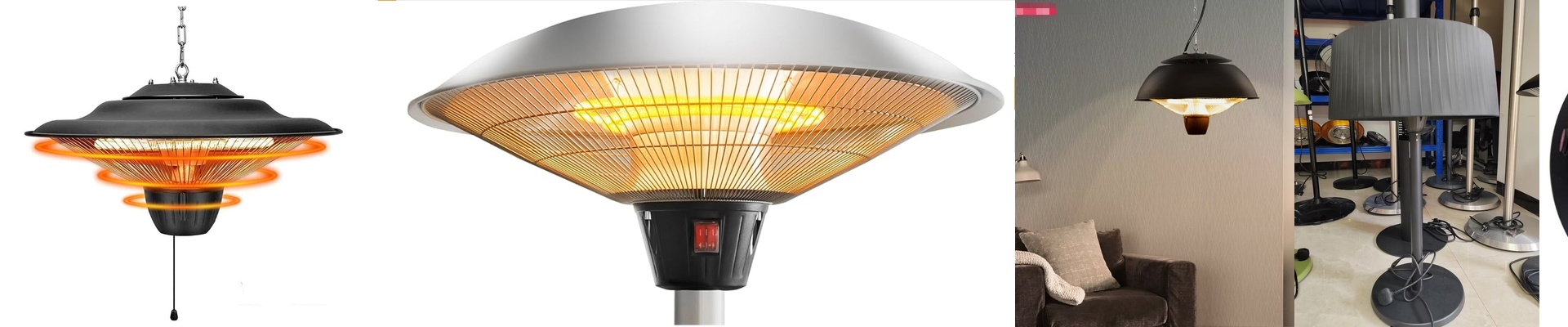
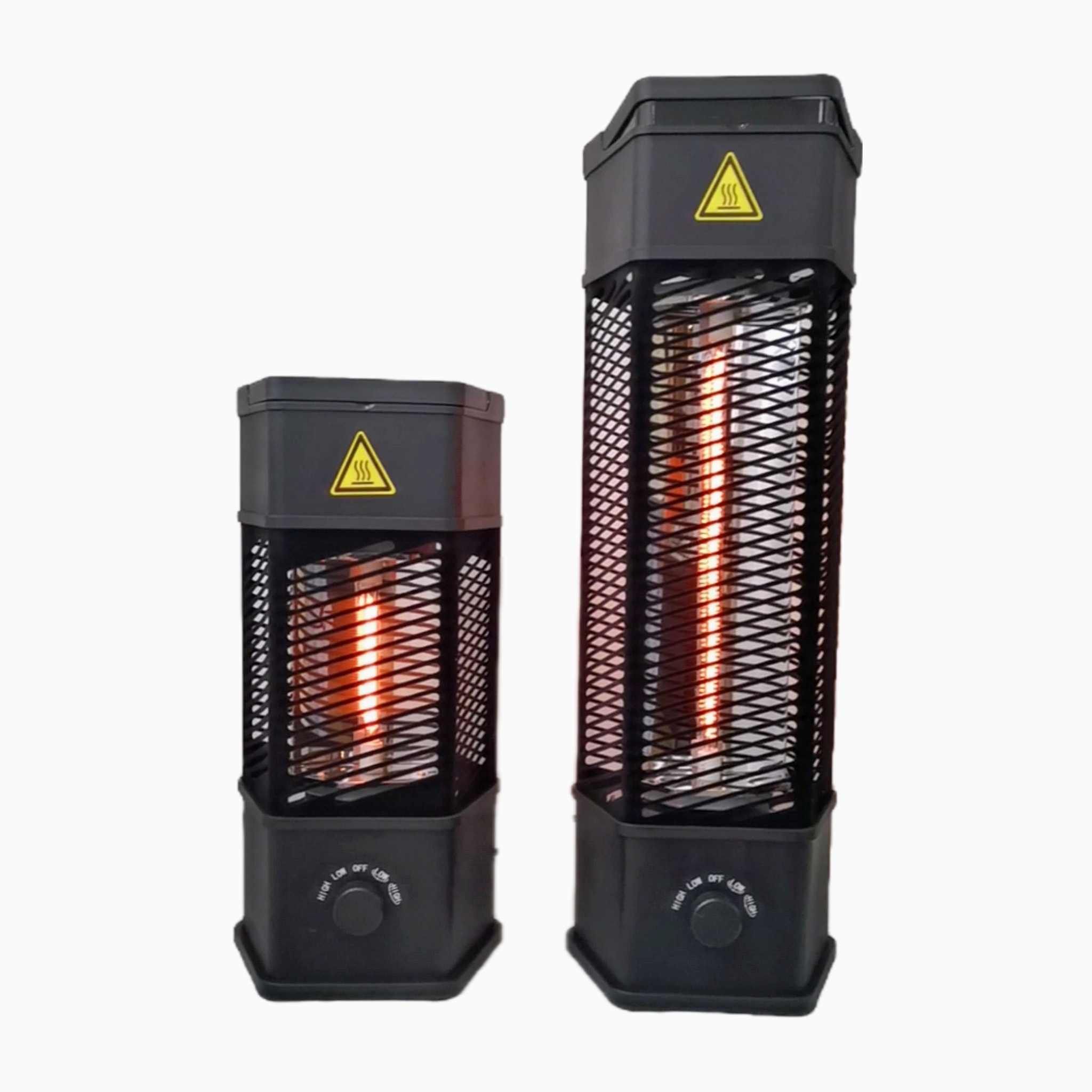
We build industrial infrared heaters for one simple reason: to put intense, focused heat right where you need it. The heart of our design is a high-wattage quartz tube, built to run at extreme temperatures without cracking. This isn’t some office space heater. It’s a machine component, meant for serious work. The wattage is packed tight, and the conditions are brutal. You need a heater that fires up instantly and stays on, cycle after cycle, without flinching.
The Real Reason for Hermetic Lead Seals
Every tube heater has a weak spot: the power lead. Standard rubber grommets dry out, crack, and let air in. And once air gets in, the filament inside oxidizes and burns out. So we don’t use grommets. We use a hermetic glass-to-metal seal—a welded, airtight connection that keeps the inside atmosphere pure and dry. That’s the only way to stop high-temperature aging and short circuits. The lead wire itself is rated for constant high heat, wrapped in ceramic fiber insulation so it won’t melt against the hot tube. It’s the kind of OEM-grade workmanship that keeps the terminals from failing.
Safety and Real-World Trade-offs
Tip-over protection isn’t a marketing trick. It’s a hard-wired thermal cut-off built right into the base. If the unit gets knocked off its mount, the power to the element cuts off immediately. No fire hazard. No damaged equipment. A 400V, 2500W infrared tube throws off serious heat. That kind of power demands respect. Your machine’s cooling system has to be up to the task. Push the wattage without managing the heat, and you’ll shorten the life of everything around it. That’s the trade-off for raw heating power. We spec our connectors for a firm, low-resistance grip. They handle the current without arcing. The result? A heater you wire up and just forget about. It’s a reliable, drop-in replacement built for demanding industrial jobs.
Application and Benefits
This setup is for engineers who need a heater that can take a beating. It handles the thermal shock of rapid cycling. It survives the constant vibration of a factory floor. And that hermetic seal keeps the guts clean. For you, that means less downtime. Fewer service calls. The heater performs consistently, whether you’re curing, drying, or pre-heating. And the tip-over protection adds a layer of safety that’s non-negotiable in a busy plant. We don’t build this to a price point. We build it to spec, because that’s what real-world industrial work demands. The numbers aren’t just specs—they’re our answer to the physics of heat, the reality of electrical loads, and the need for safety. This is the engineering behind a heater that just works.