

On the shop floor, transfer printing on glass doesn’t fail loud—it fails quietly. You spot it after cure: hairline cracks near the edges, hazing across the print zone, or adhesion that drifts enough to show up in final inspection. More often than not, the bottleneck is the heating step. If the dryer can’t lay down uniform heat without creating thermal gradients, you pay in rework and scrap, and the line slows to chase acceptable yield. What matters, technically, is controlled heat delivery, not brute wattage. The core of the setup is near-infrared (NIR) emitters—fast response, tight spectral control. Energy goes into the coated surface and the substrate without a lot of convection stirring the print. Zone-based control keeps the thermal field even across the glass, so you don’t get local hot spots that drive stress. The payoff is consistent curing that plays nicely with downstream work—whether the glass is headed for annealing, tempering, or bending. In practice, that means fewer rejects tied to thermal shock and repeatability that holds shift to shift. Transfer printing on glass is a throughput step, and the dryer has to keep pace without messing up dimensional stability. This unit hits target temperature quickly, holds it within tight tolerance, and cycles fast enough to match a high-line cadence. Energy use drops because NIR heats directly and on demand, so you’re not wasting time on long warm-ups or idling losses. More importantly, it helps keep the glass free of stress concentrations. The print cures clean, and the substrate stays within acceptable flatness and edge quality. For plants running mixed thicknesses and different inks, adjustable profile support cuts changeover time without re-tuning the whole oven. Here’s the part that bites if you ignore it: NIR dryers are sensitive to line integration. Clearance around the glass path, emissivity differences between coated and uncoated surfaces, and ventilation for ink outgassing—all of it affects uniformity. The retrofit is straightforward, but plan a short commissioning window to lock in setpoints and verify temperature distribution across the active zone. Once you’re aligned, the unit runs with minimal maintenance. But that initial setup is the make-or-break step. Get it right, and you stop chasing process stability. Get it wrong, and you’ll spend your days trying to hold yield.
ในโรงงาน การพิมพ์แบบถ่ายโอนบนแก้วไม่ล้มเหลวอย่างชัดเจน แต่จะล้มเหลวอย่างเงียบ ๆ ซึ่งจะสังเกตเห็นหลังการบ่ม เช่น รอยแตกร้าวเส้นผมบริเวณขอบ กระจายหมอกในพื้นที่พิมพ์ หรือการยึดเกาะที่เคลื่อนตัวจนเห็นได้ในการตรวจสอบขั้นสุดท้าย โดยทั่วไป คอขวดของกระบวนการมักอยู่ที่ขั้นตอนการให้ความร้อน หากเตาอบไม่สามารถกระจายความร้อนอย่างสม่ำเสมอโดยไม่ก่อให้เกิดความต่างอุณหภูมิทางความร้อน จะส่งผลให้เกิดการทำงานซ้ำและของเสียในสายการผลิตลดความเร็วในการผลิตเพื่อให้ได้ผลลัพธ์ที่ยอมรับได้
สิ่งที่สำคัญในเชิงเทคนิคคือการควบคุมการส่งมอบความร้อน ไม่ใช่การใช้วัตต์แบบหยาบ ๆ แกนกลางของระบบคือแหล่งปล่อยคลื่นอินฟราเรดใกล้ (NIR) ที่ตอบสนองอย่างรวดเร็วและควบคุมสเปกตรัมได้อย่างเข้มงวด พลังงานจะเข้าสู่พื้นผิวที่เคลือบและวัสดุรองรับโดยไม่เกิดการพัดพาแรง ๆ ที่กวนการพิมพ์ การควบคุมแบบแบ่งโซนช่วยรักษาค่าสภาพความร้อนไว้ให้สม่ำเสมอตลอดผิวแก้ว จึงไม่มีจุดร้อนเฉพาะที่ที่ก่อให้เกิดความเครียด
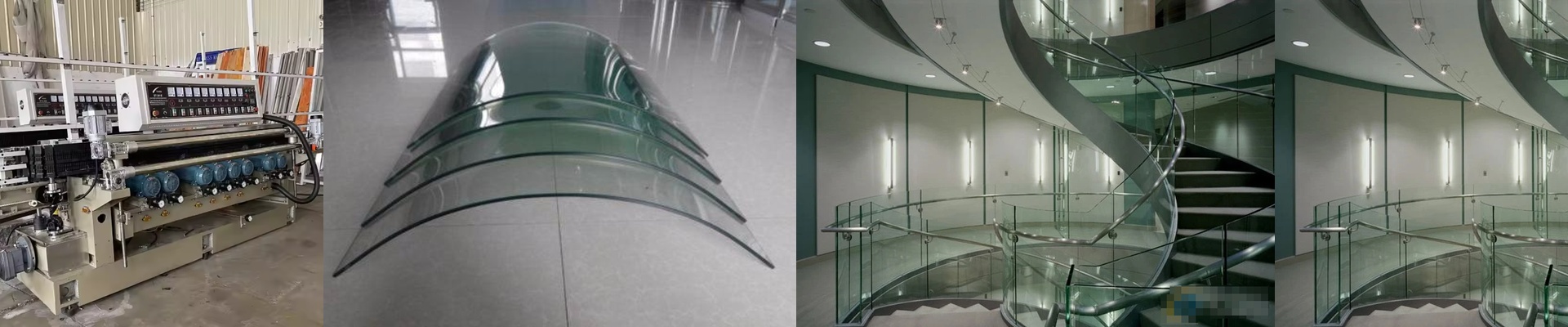
ผลลัพธ์คือการบ่มที่มีความสม่ำเสมอ ช่วยให้การทำงานในขั้นตอนถัดไปทำได้ง่ายขึ้น ไม่ว่าจะเป็นการอบชุบ การชุบแข็ง หรือการดัด ในทางปฏิบัติหมายถึงการลดของเสียที่เกิดจากแรงกระแทกทางความร้อนและความสามารถในการทำซ้ำที่คงที่ในแต่ละกะ
การพิมพ์แบบถ่ายโอนบนแก้วเป็นขั้นตอนที่ต้องการผ่านชิ้นงานจำนวนมาก และเตาอบต้องรักษาความเร็วโดยไม่ทำให้ความเสถียรทางมิติผิดเพี้ยน หน่วยนี้ถึงอุณหภูมิเป้าหมายได้รวดเร็ว คงค่านี้ไว้ภายในความคลาดเคลื่อนเล็กน้อย และทำงานเป็นรอบได้เร็วเพียงพอเพื่อให้สอดคล้องกับความเร็วของสายการผลิตที่สูง การใช้พลังงานลดลงเนื่องจาก NIR ให้ความร้อนโดยตรงและตามต้องการ จึงไม่เสียเวลาในช่วงอุ่นเครื่องนานหรือตอนรอทำงาน
ที่สำคัญยิ่งกว่าคือช่วยรักษาแก้วให้ปราศจากจุดเครียดที่เข้มข้น การบ่มทำได้สะอาด และวัสดุรองรับยังคงอยู่ในระดับความเรียบและคุณภาพขอบที่ยอมรับได้ สำหรับโรงงานที่ผลิตแก้วความหนาแตกต่างกันและใช้หมึกหลากหลาย การรองรับโปรไฟล์แบบปรับได้ช่วยลดเวลาในการเปลี่ยนเครื่องจักรโดยไม่ต้องปรับแต่งเตาอบใหม่ทั้งหมด
ส่วนที่สำคัญและอาจทำให้เกิดปัญหาหากไม่ใส่ใจคือ เตาอบ NIR มีความไวต่อการผนวกรวมเข้ากับเส้นการผลิต ระยะห่างรอบทางเดินแก้ว ความแตกต่างของค่าการแผ่รังสีระหว่างพื้นผิวที่เคลือบและไม่เคลือบ รวมถึงระบบระบายอากาศสำหรับแก๊สที่ระเหยจากหมึก ทั้งหมดนี้ส่งผลต่อความสม่ำเสมอของความร้อน
การติดตั้งปรับปรุงทำได้ไม่ซับซ้อน แต่ควรวางแผนระยะเวลาทดลองสั้น ๆ เพื่อกำหนดค่าเซตพอยต์และตรวจสอบการกระจายอุณหภูมิในโซนทำงาน เมื่อระบบทำงานสอดคล้องกันแล้ว หน่วยจะดำเนินการได้ด้วยการบำรุงรักษาเพียงเล็กน้อย แต่การตั้งค่าเริ่มต้นเป็นขั้นตอนชี้ชะตาสำหรับความสำเร็จ หากตั้งค่าได้ถูกต้อง จะหยุดการตามหาความเสถียรของกระบวนการ แต่ถ้าผิดพลาด จะต้องเสียเวลาทั้งวันกับการพยายามรักษาผลผลิตให้คงที่