
Introduction
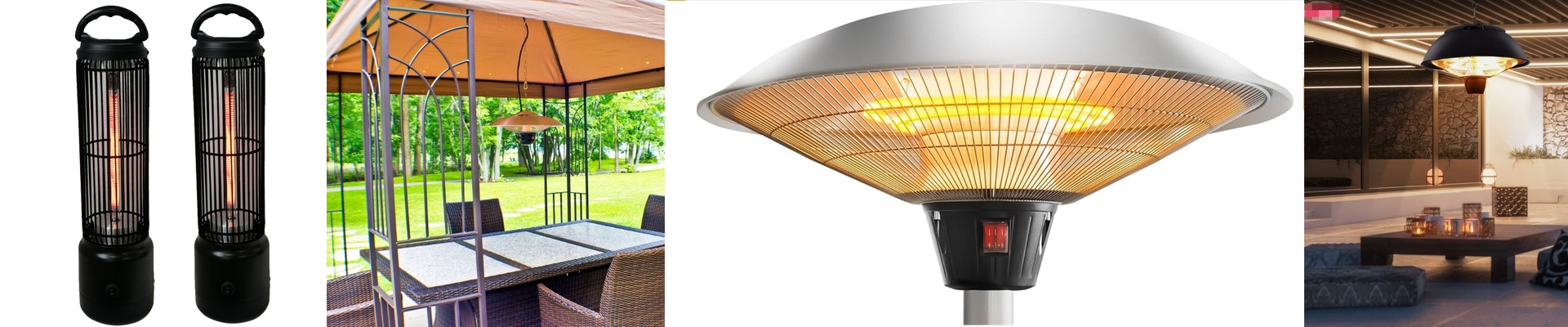
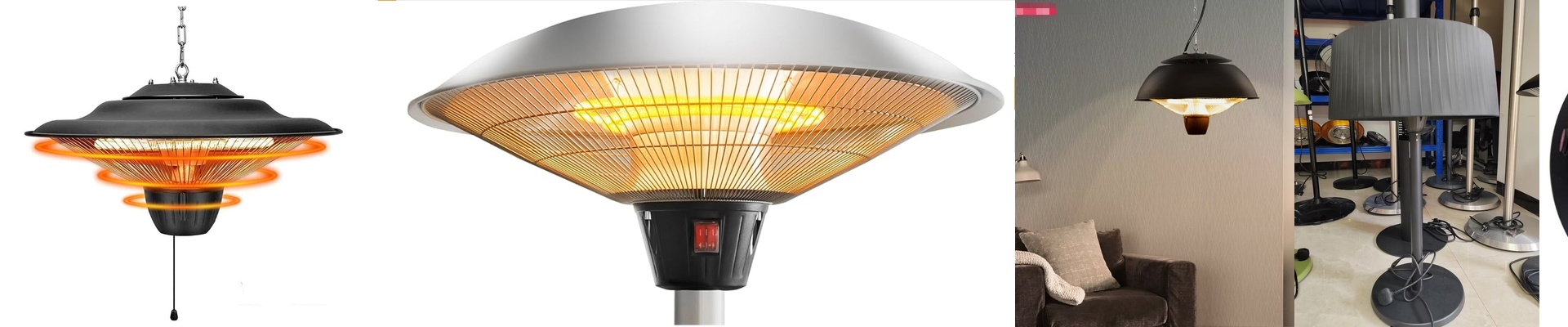
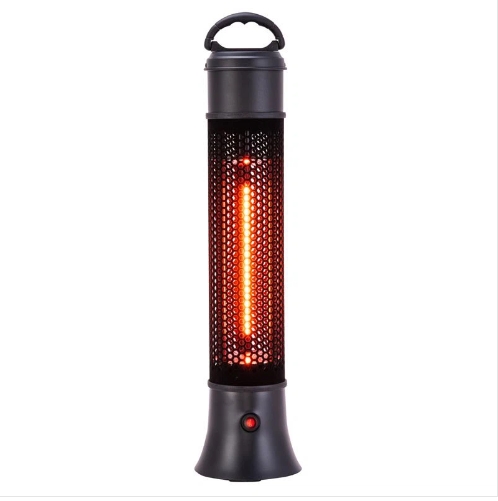
Here’s the thing about heating in industrial spaces—it’s not just about making things hot. It’s about getting that heat exactly where you need it, without fighting the building’s power setup or space limits. That’s exactly what we built our travel electric heaters to do. We treat each system as a flexible platform, so we can dial in the power, the physical fit, and the safety specs to match the country you’re working in. No compromises. No headaches.
Technical Deep-Dive: Voltage, Power, and Physical Specs
When a heater shows up on a job site, it shouldn’t demand a rewire just to get started. So we design units to run on whatever voltage is already there—anywhere from 110V up to 400V. We match the wattage to the heat you actually need, and we size the footprint to fit standard mounting spots. But the real magic is under the hood. We recalculate internal resistance and current draw for each voltage tier. That way, you don’t get weak performance on low voltage or dangerous overheating on high voltage. The payoff is simple: plug it in, turn it on, and it hits the set temperature without needing a transformer on site.
Material & Design: Quartz, Coating, and Connector Standards
Infrared heating only works if the emitter stays steady and the connections stay solid. We use quartz envelopes with protective coatings—built to handle sudden temperature swings and resist chemical exposure in rough environments. That means consistent output, hour after hour. For the electrical side, we offer multiple connector standards, including R7s and SK15, so the heater drops straight into existing fixtures without modification. The connectors carry high current safely and keep their grip, even when equipment is bouncing around on the road.
Application & Benefits: Global Deployment Without Re-Engineering
The big win here is customization without starting from scratch. We take one heater platform and build it into dozens of country-specific versions—different plugs, different safety certifications, different voltage bands. For you, that means one engineering effort can cover multiple markets. For the field crew, it means faster installs and fewer failures caused by mismatched interfaces. Just one note: when you push for higher heat density, you’ve got to manage airflow properly. Make sure your enclosure cooling can keep up with the wattage you choose.