Stop Fiddling With Bulbs and Start Using Modules
Most engineers take the same path: they spec out a single quartz halogen emitter bulb, pick a wattage, buy a handful of tubes, and then spend the next three weeks on the shop floor. It’s a headache. You’re basically guessing how to mount them without creating those annoying hot spots that ruin a part. We do things differently. Instead of handing you a fragile bulb and wishing you luck, we give you full-scale, curved heating modules. They show up ready to wire in. No guesswork.
The Nitty-Gritty of Quartz Halogen
Here is how these things actually work. The halogen gas inside keeps the tungsten filament from gunking up the quartz envelope. That keeps the tube clear and ensures your short-wave IR output stays consistent. But when we’re building these into modules, we’re really looking at power density. A high-wattage tube gets you up to temperature fast. That’s great, but it puts a massive strain on your power supply. If you’re pushing 2000W or more per tube, your circuitry has to be beefy enough to handle that initial cold-start spike without tripping a breaker.
The Geometry Nightmare
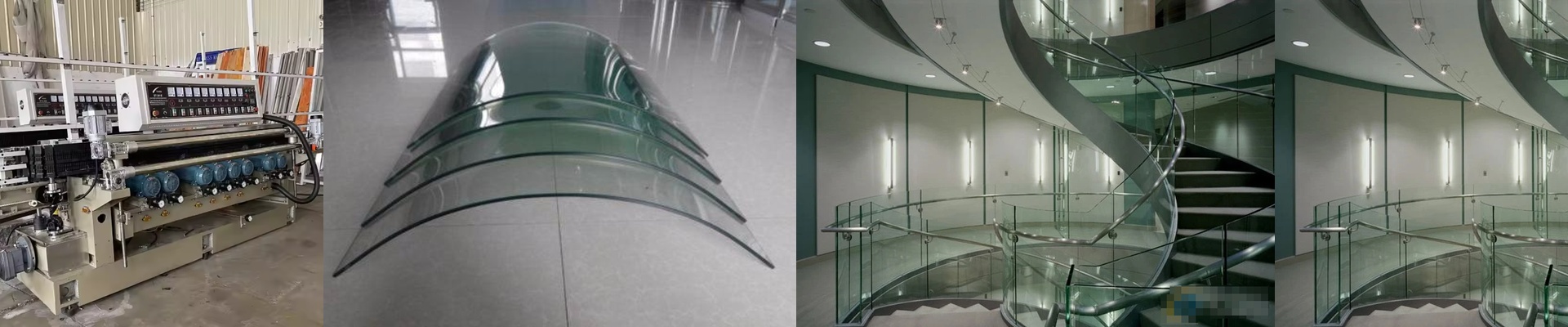
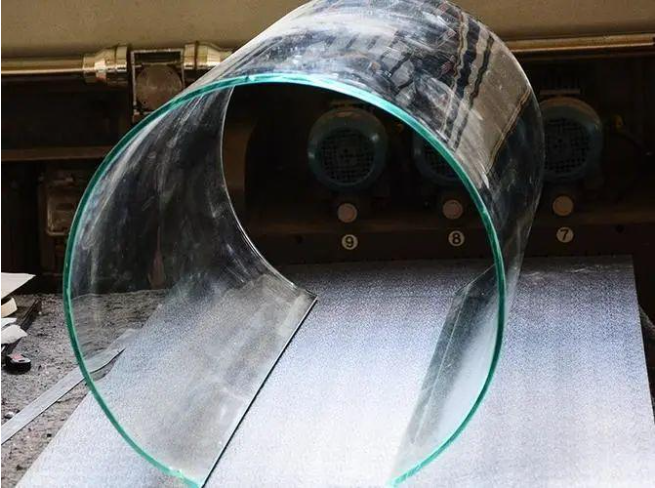
Straight tubes are easy. Anyone can do that. But curved heating paths? That’s where things get messy. Bending quartz is a delicate art. If the thermal control is off by a hair, you get stress points. Then, the first time the machine cycles through its heat, the glass just snaps. It’s frustrating and expensive. We take that risk off your plate. We handle the bending and the reflector integration. By moving to a pre-assembled module, you stop wasting hours on manual alignment. It’s a drop-in replacement that fits your machine’s footprint exactly.It just fits.
The Trade-offs
Now, let’s be real. Custom modules save you a ton of labor, but they do lock you into a specific shape. If you decide to change your product size mid-stream, you can’t just “tweak” a curved module the way you might wiggle a straight tube into place. You’re committed to that geometry. Also, keep an eye on your cooling. You need to make sure your fans are hitting the module’s chassis directly. If they aren’t, you’re risking burnt-out wiring insulation, and nobody wants to deal with that. As long as your machine layout is finalized, these turnkey solutions cut your assembly time down to almost nothing. You just plug them in and get back to the actual engineering.