
Stop Wrestling With Single Tubes—Go With a Module
Let’s be honest: buying single quartz lamps usually just means you’re buying a headache for your shop floor. Your techs end up spending hours bending tubes, welding supports, and messing around with manual wiring. It’s tedious work. We figured there’s a better way. Instead of handing you a pile of parts, we build the whole thing for you. We deliver integrated, curved heating modules that are ready to go the moment they hit your floor.
Getting the Heat Exactly Right
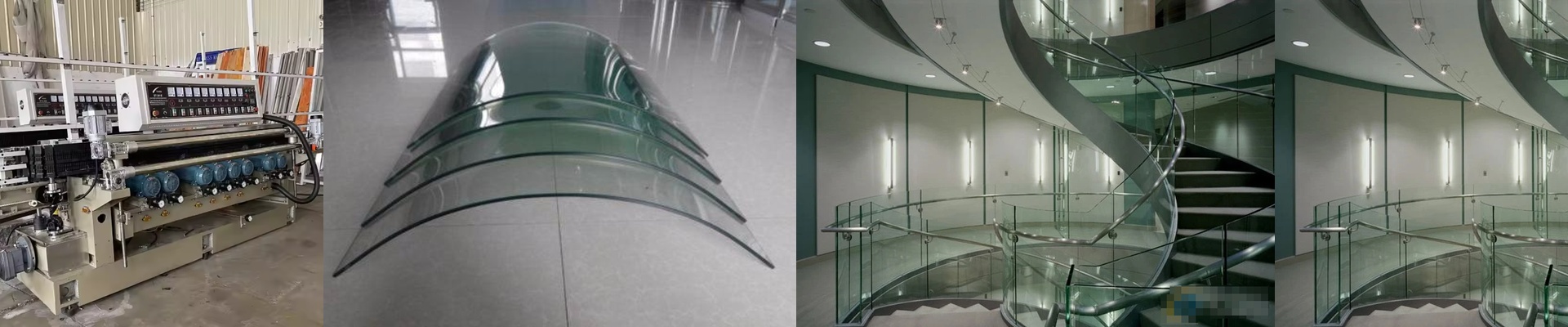
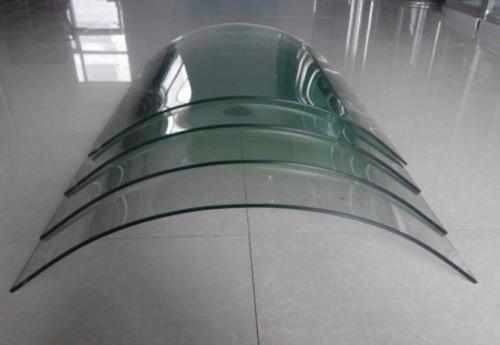
A loose lamp is just a part. A module is a tool. When we’re building these for glass processing, we’re obsessed with where the heat actually lands. By bending the lamp to a specific radius, we can push the infrared energy right onto your workpiece. No more wasting heat on the surrounding air. Your power bill stays lower, and your process gets tighter. Of course, we’ll dial in the voltage and wattage to fit your needs. Just a heads-up: if you go for high-wattage tubes to get those lightning-fast ramp-up times, keep an eye on your power supply. Make sure your controllers can handle that initial surge of current, or you’ll be spending your morning replacing blown fuses.
No More Guesswork
We use high-purity quartz because it doesn’t freak out when you cycle the temperature rapidly. For the wiring, we stick to standard terminals. Why? Because when it’s time to swap a part, you want it to be fast and painless. The frames are designed to be drop-in replacements. You slide them in, plug them in, and you’re done. No measuring three times and cutting once.
The Trade-off
Here’s the catch: you’re trading a bit of flexibility for a lot of precision. Custom modules save you hundreds of hours of assembly, but they aren’t “adjustable” once they leave our shop. Once we bend the quartz to your drawing, that’s the shape it’s staying. Because of that, let’s double-check your focal distance and heat zones together before we lock in the final bend. It’s much easier to tweak a drawing than a piece of hardened quartz. It’s a simple shift. You stop worrying about fragile tubes and start focusing on your cycle times. Your line gets up and running faster, and your technicians can actually focus on the important stuff.