
Why Gold-Coated IR Emitters are the Secret to Better Glass Annealing
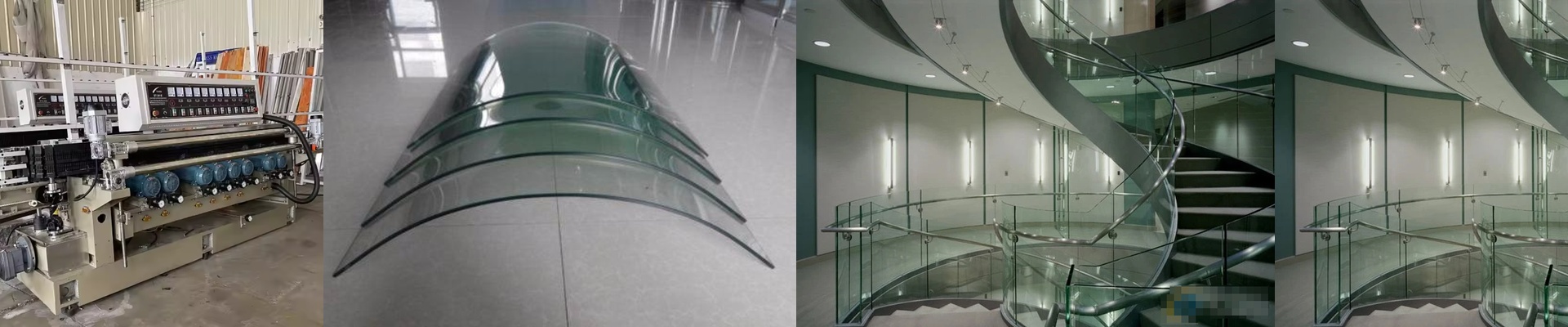
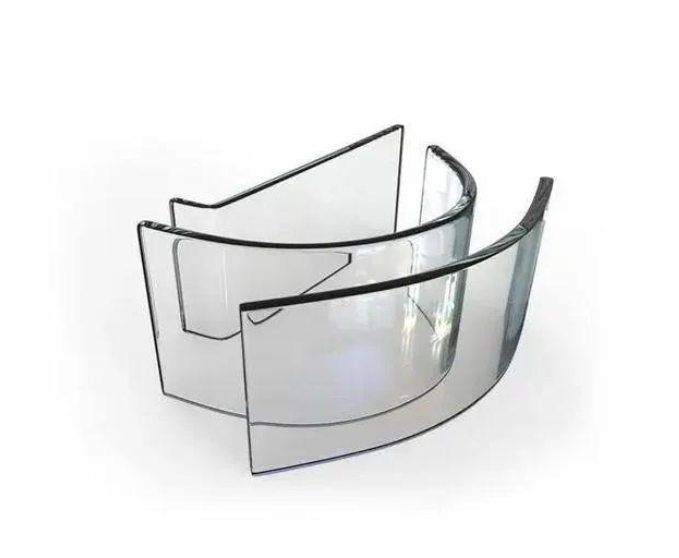
In a glass plant, stopping the line is the last thing you want to do. You need heat—and you need it now. When the line speed shifts, your heating source has to keep up without skipping a beat. That’s why most people lean on gold-coated shortwave infrared (SWIR) emitters. The magic of the gold coating Think of a standard quartz lamp like a lightbulb that throws heat everywhere. It’s wasteful. By adding a thin layer of gold to the back of the tube, we basically create a mirror. Instead of heat drifting off into the air, it gets pushed forward, right onto the glass. It’s a massive boost in power density. The best part? You can actually shrink the size of your heating tunnel and still get the same results. More room on the floor, same amount of heat. Control that actually reacts Annealing is a balancing act. If you’re off by a little, you’ve got internal stress or ruined glass. Since these emitters use a low-mass tungsten filament, they don’t “soak” in heat like those heavy ceramic heaters do. When you kill the power, the heat drops almost instantly. It gives your PLC a real chance to breathe. You can tweak the temperature on the fly to handle different glass thicknesses without worrying that you’re going to overshoot and scorch the material. The “gotchas” to watch out for It’s not all magic, though. These lamps pull a lot of juice. If you’re installing a whole bank of them, make sure your wiring is beefy enough to handle the current. You don’t want voltage drops messing with your consistency. And a quick tip on the install: be gentle. That gold coating is thin. If you scratch it with a mounting bracket, you’re losing that reflective efficiency we talked about. Treat them with a bit of care. It’s a simple shift. You stop waiting for slow, drifting air to heat your glass and start using direct radiation. It just works faster.