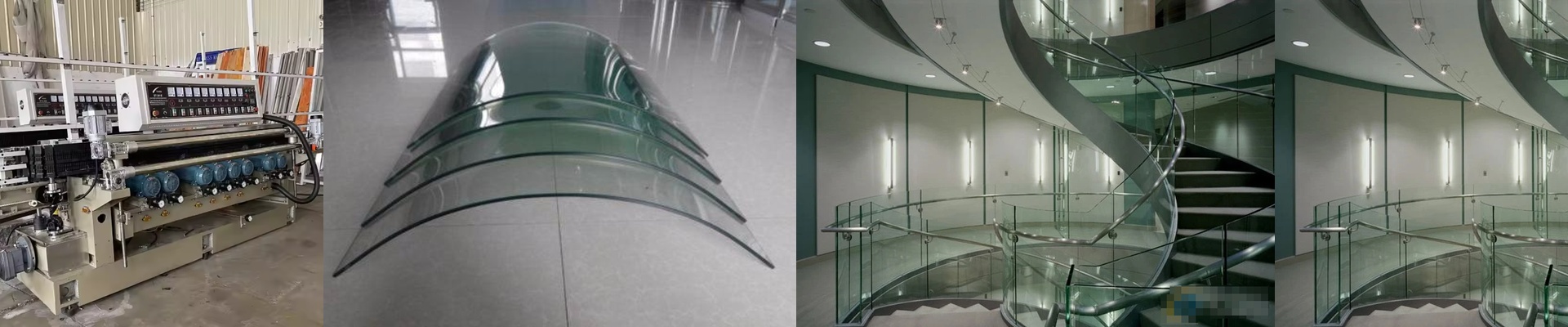
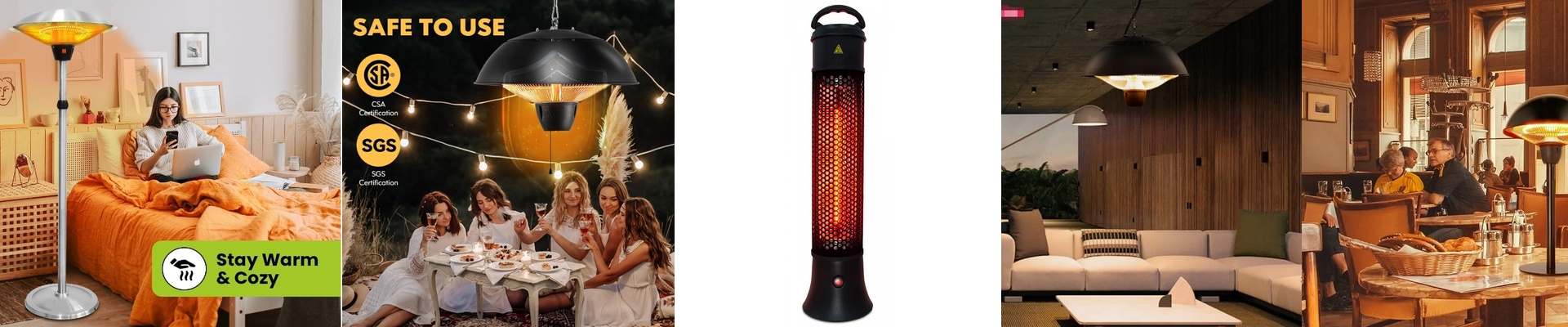
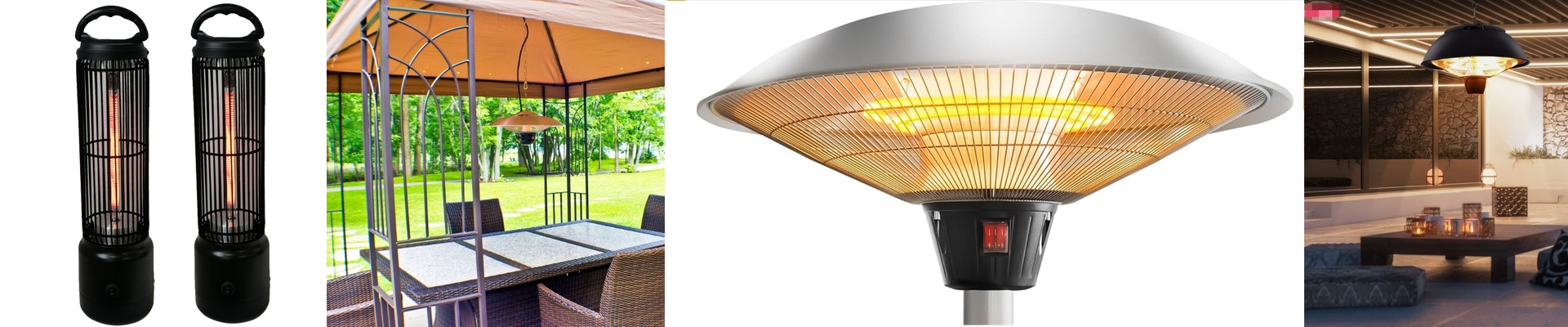
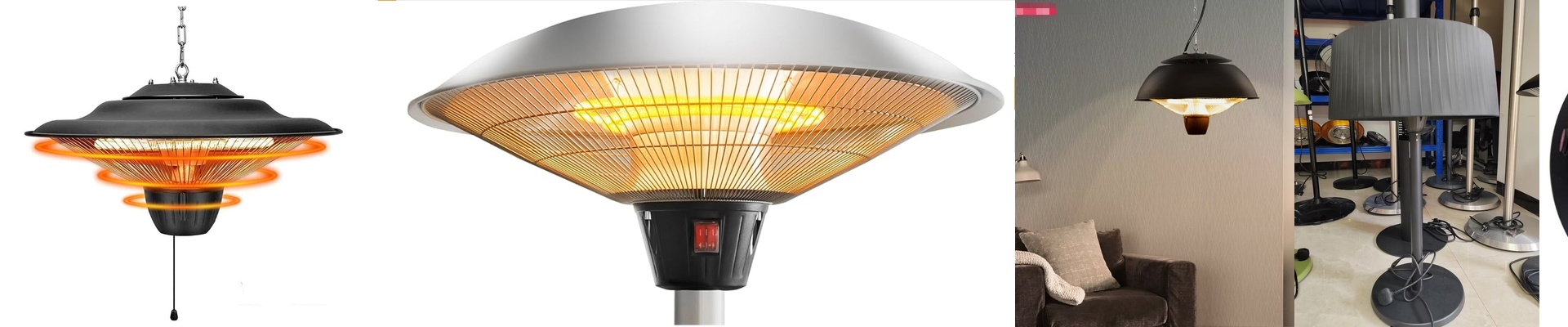
Introduction
Let’s get straight to the point. When we talk about glassware annealing heaters, we’re not just selling you a heat source. We’re talking about creating a predictable, repeatable thermal rhythm. Lamp after lamp. Batch after batch. The real question is this: why do high-consistency infrared heating lamps solve unstable batch quality? It comes down to physics and, honestly, peace of mind. If your annealing line is constantly chasing temperature drift, the problem is usually uneven lamp output, inconsistent spectral density, or poor thermal coupling. Our infrared halogen annealing heaters are built to wipe out those variables for good.
Power, Voltage, and Geometry: The Nitty-Gritty
We spec these lamps for the annealing zone, where temperature uniformity is the only thing that truly matters. The high-voltage design (typically 400V) keeps the current lower for a given wattage. That means less energy wasted in the wiring and better long-term stability right at the filament. And packing high wattage density into a compact tube length—say, a 300mm active heating length—gives you a tight, precise thermal footprint. You can match the annealing curve to the glass thickness without spilling heat into adjacent zones. But here’s the thing: higher wattage density means more heat in a small space. So your fixture, reflectors, and cooling strategy have to be engineered to handle that load. If you don’t plan for it, you’ll end up with hot spots and components that wear out way too soon.
The Materials: Halogen, Quartz, and R7s
We use halogen infrared technology because it responds instantly and delivers stable spectral output in the near-infrared range—the exact wavelength glass absorbs efficiently. The quartz envelope handles thermal shock like a champ and stays optically clear, so the radiant heat transfer is consistent. The internal halogen cycle keeps the filament clean, which means the output stays steady over time instead of drifting downward. And the R7s base? That wasn’t a random choice. It’s a solid, industrial-grade connection that holds alignment, reduces contact resistance, and stands up to repeated installation on a busy production floor. In a high-temperature annealing oven, that kind of mechanical reliability directly translates to thermal reliability.
What This Means for Your Batch Stability
On the annealing line, you need the same heat, on the same geometry, every single shift. High-consistency infrared lamps hold tight output tolerances, which cuts down on variation in strain relief and thermal stress across the entire batch. The result? Fewer rejects. Fewer re-fires. A stable process you can actually document and control. We design these lamps as direct drop-in replacements, so you can standardize across lines. Wire them up, set the controls once, and the process just repeats. If your goal is true batch-to-batch quality uniformity, the lamp has to be a constant—not another source of drift.