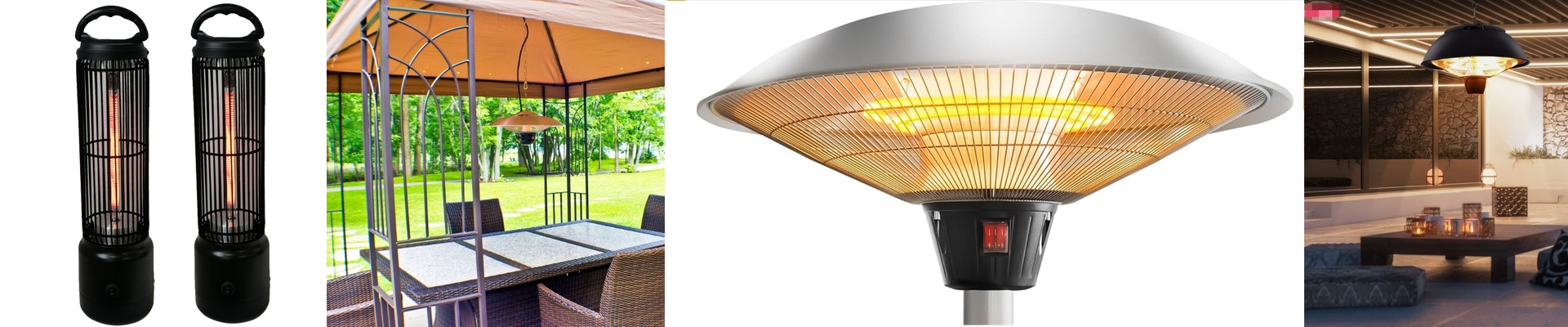
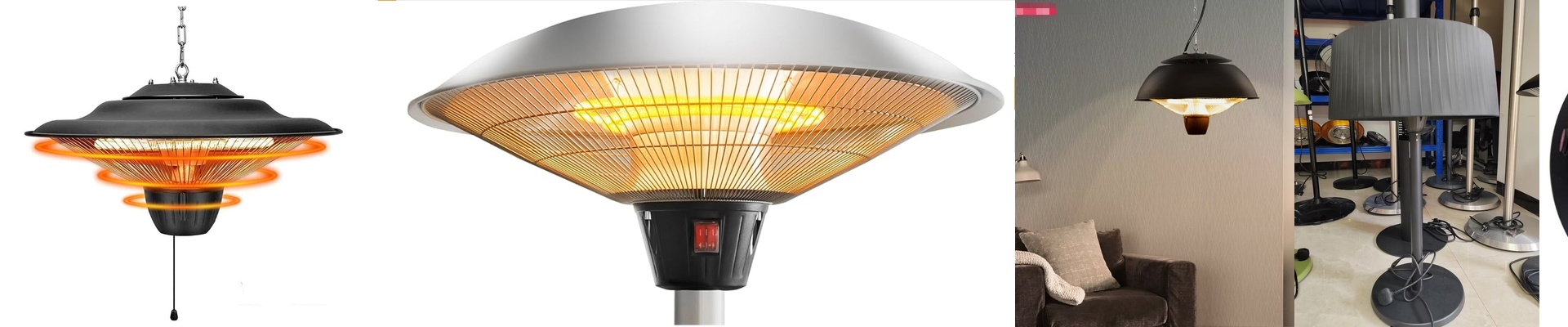
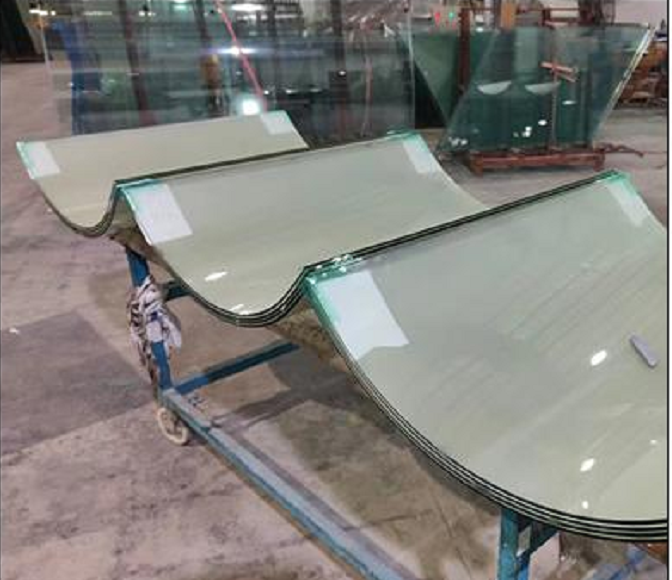
On the glass processing floor, screen protector heating is where the line either makes money or gives it away. Under-heating leaves you with stress fractures and warped sheets; over-heating burns power and accelerates wear. The fallout shows up every shift—scrap, rework, and downtime. What matters technically We build these heaters around short-wave quartz emitters. The point is fast, directional heat with low thermal mass. That gives you rapid ramp-up, tight control on dwell, and a stable thermal profile across the glass. Specs are matched to what actually runs on the floor: 200–240 V inputs, modular widths to drop into common laminating and coating presses, and standard connectors so you can swap units in without a major re-wire. PID control with evenness targets keeps temperature uniform and prevents hot spots that drive cracking. Why it works where it counts This heater is sized for the screen protector workflow—cycle time and flatness are the make-or-break variables. Short-wave response cuts warm-up and cool-down, so you tighten the process window and push throughput without overdriving the glass. Energy use drops because the heat goes straight into the work, not the air, and emitter life stretches out replacement frequency. In practice, that means fewer rejects from thermal stress, lower kWh per piece, and less maintenance labor. The details that keep you running These units fit most press platforms, but mounting and clearance are mission critical. Match the frame, confirm the air gap and sealing, and make sure the control interface lines up with your PLC or controller. Treat the quartz elements as precision consumables. Clean handling and proper preheat prevent breakage and keep emissivity consistent. Plan the changeover, and the heater runs as a drop-in module that keeps the line moving.