
Out on the floor, you see it happen: the tempering furnace queue starts to stack up because the heating zone can’t settle—it keeps chasing temperature swings. Coatings cure unevenly. Lamination presses sit idle, waiting on soak time. Every minute of thermal lag shows up as lost output and a higher scrap rate.
What matters under the hood
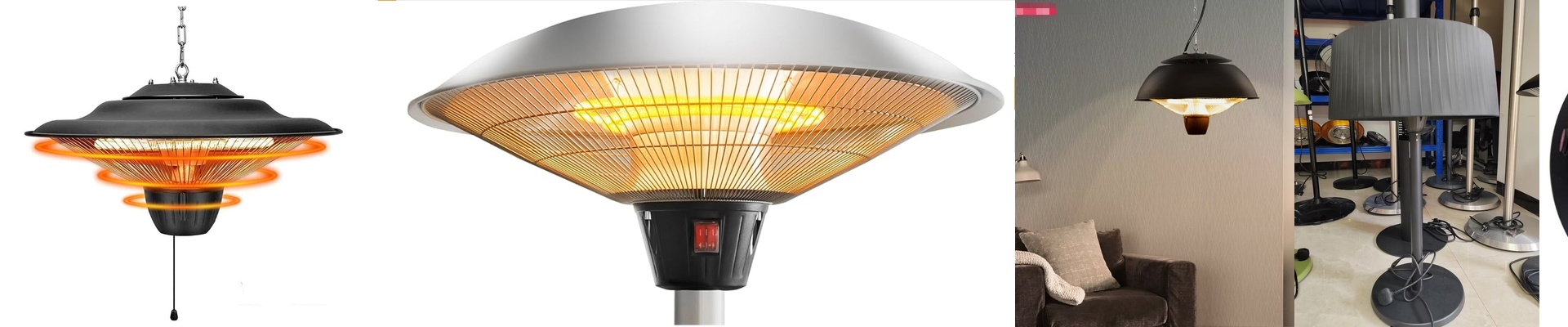
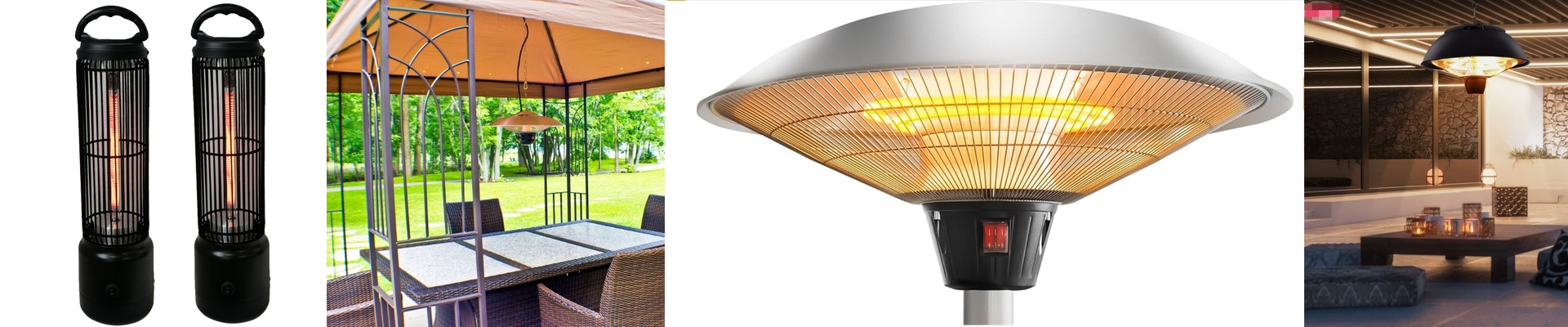
We spec gathering glass infrared heaters around short-wave quartz emitters, tuned to match glass absorption bands. That gives you direct energy transfer into the glass, fast, with minimal reliance on convection. Standard setups run 230–460 V, and the dense element layout keeps flux uniform across the width, so the thermal field stays stable at setpoint. Control is PID, holding tight tolerances, and the housing is built for industrial work—stainless or coated steel, sealed terminations, and mounting that repeats alignment shot after shot.
Why this approach fits the processes
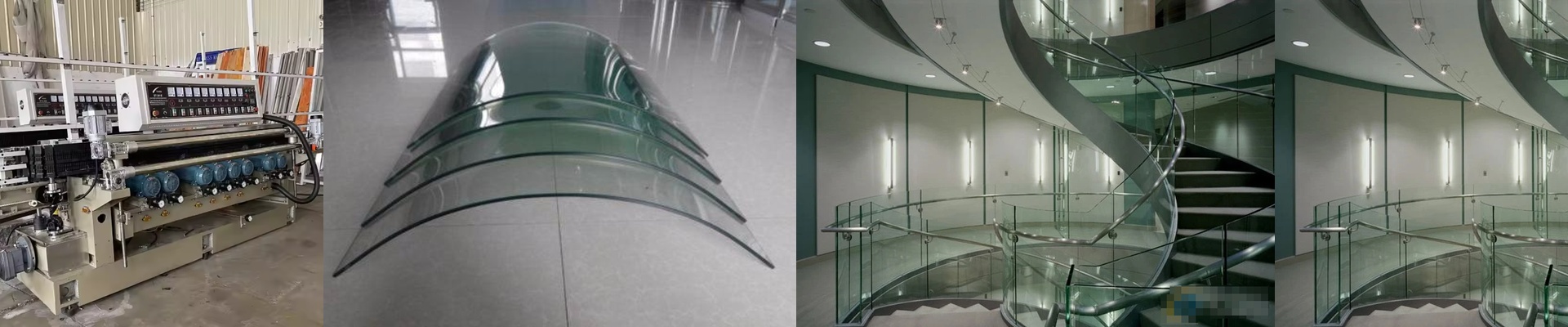
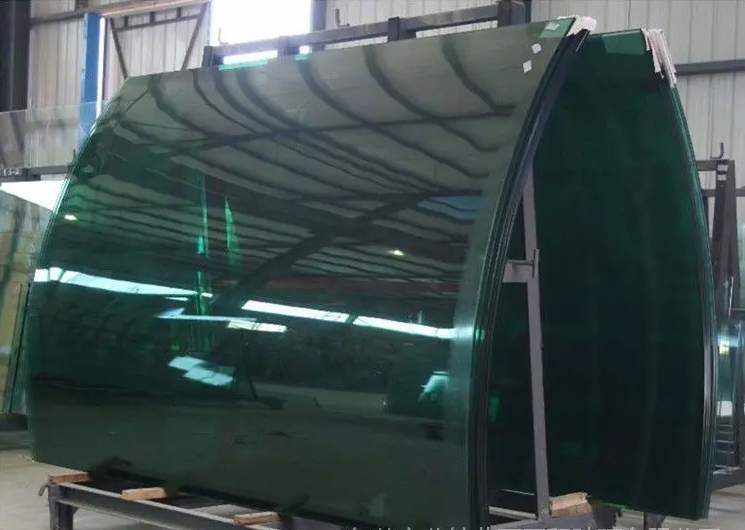
In tempering, uniform heating keeps thermal stress in check and keeps bow and warp inside the window you need. In bending, the fast ramp shortens cycle time and makes repeatability feel less like a gamble. In EVA/SGP/PVB lamination, the soak stays consistent across the stack, which cuts down voids and edge defects. For insulating glass sealing, the heater brings edges up to seal temperature quickly, so overall line energy draw drops. You get faster throughput, fewer reworks, and real kWh savings compared with convection-heavy systems.
The shop-floor details that make the difference
These heaters are line-of-sight by design. Keep reflectors clean and aligned, and verify emissivity on coated or low-e glass so you set power density correctly. They’ll drop into a lot of OEM footprints, but confirm clearances, airflow, and electrical specs before you change over. Treat the quartz elements with care—thermal shock from contamination or sudden power changes will shorten life. Plan for routine inspection, and the unit will run shift after shift with output that stays stable.