Introduction
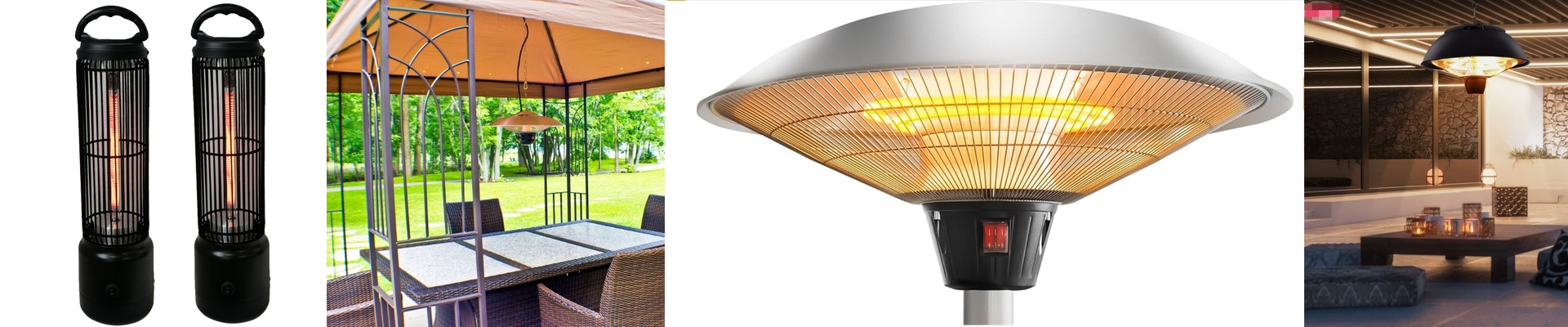
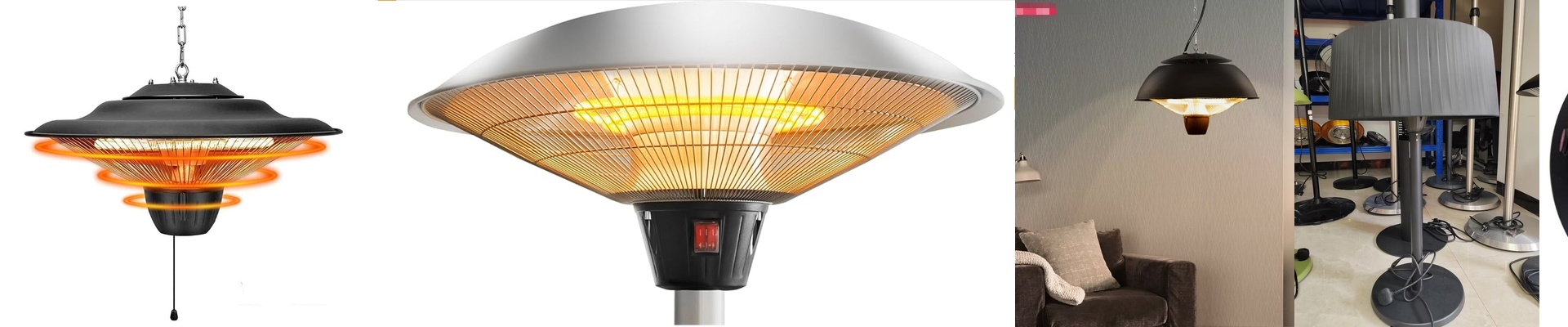
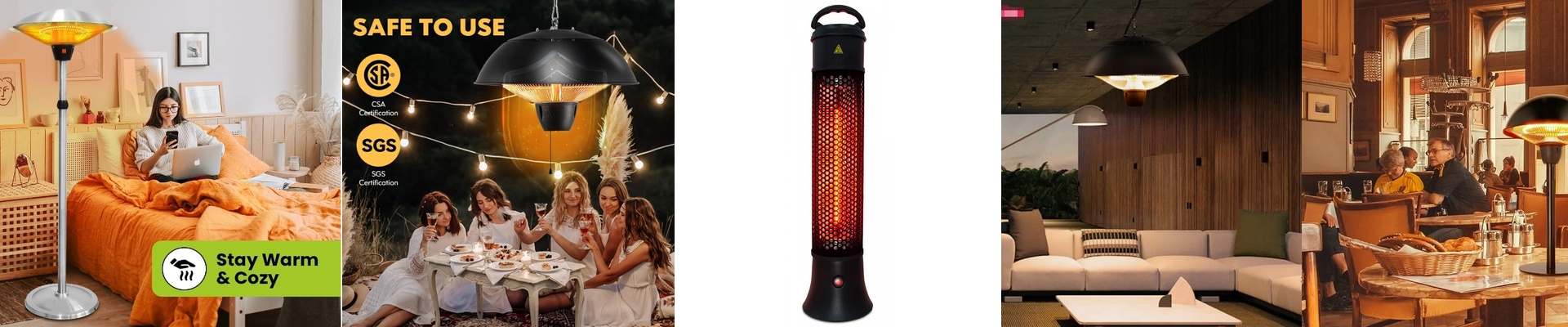
Here’s the thing about warming a restaurant: you don’t want to roast the whole place just to make a few guests cozy. We built our infrared heaters to do exactly that—deliver warmth right where people are sitting, without cranking up the energy bill. It’s targeted comfort. The kind that keeps diners happy and your energy costs from going through the roof. And because every spot is different, we take a modular approach. That means we can tailor each unit to fit the needs of any restaurant, anywhere in the world.
Power, Voltage, and Size: Getting the Details Right
It all comes down to matching the power to the space. We size the infrared output based on the room—its size, its layout, where the tables are. We can set the heaters up for standard 120V or 230V power, or go up to 400V when you need serious output. That higher voltage is a smart move—it lets you run more power without pushing the current too high. So you can use thinner wiring and keep installation costs down. We also sweat the footprint. The unit has to fit cleanly on a ceiling mount or wall bracket, and the heat pattern has to land exactly where you want it. No hot spots. Just even, dependable warmth.
The Inner Workings: Quartz, Coating, and Connectors
Inside, the emitter is built around a quartz tube. It heats up fast and can handle sudden temperature shifts without breaking a sweat. We coat the tube with a reflective layer that pushes the infrared energy forward, so you don’t waste heat out the back. The halogen elements inside keep the output steady, with a consistent color temperature—so the heating performance is predictable, shift after shift. And connectors? They matter more than people think. We use R7s and SK15 options because they make wiring straightforward and maintenance a snap. If something needs replacing, it’s a quick, clean job. These connectors stay tight even after repeated swaps, so the heater can take the rough and tumble of busy service hours.
Real Restaurant Use: Quiet, Clean, and Dependable
In a restaurant, a heater has to earn its keep. It has to be quiet, clean, and just plain reliable. Infrared warmth hits people and surfaces directly, so you don’t have to overwork the HVAC to compensate. That means a calmer dining room and lower energy use. We’ve got you covered on the global side, too. Voltage, plugs, safety certifications—we handle the details so you can wire the unit to local codes without rethinking the whole setup. But there’s one practical note: higher wattage density means more heat per square inch. So we plan the mounting location and clearance carefully to keep the ambient temperature comfortable and make sure nearby materials don’t get too hot.