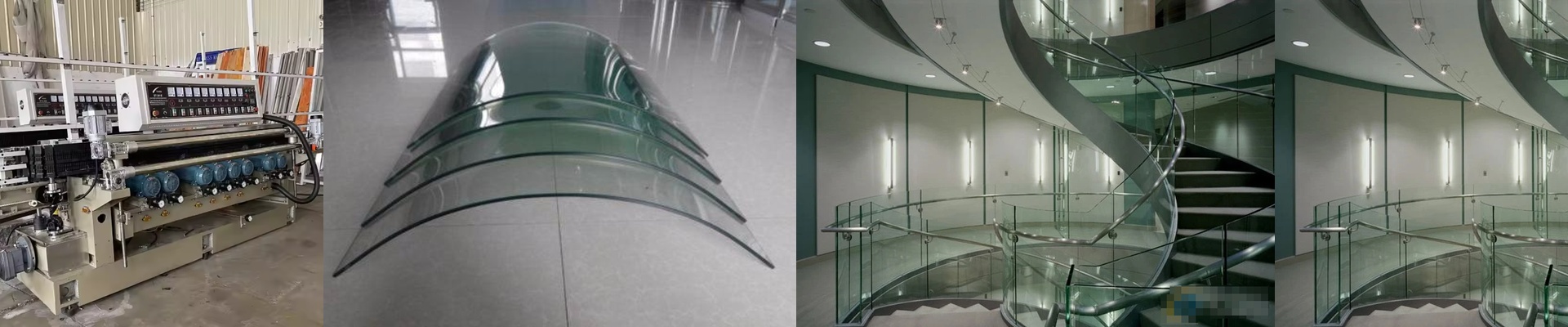
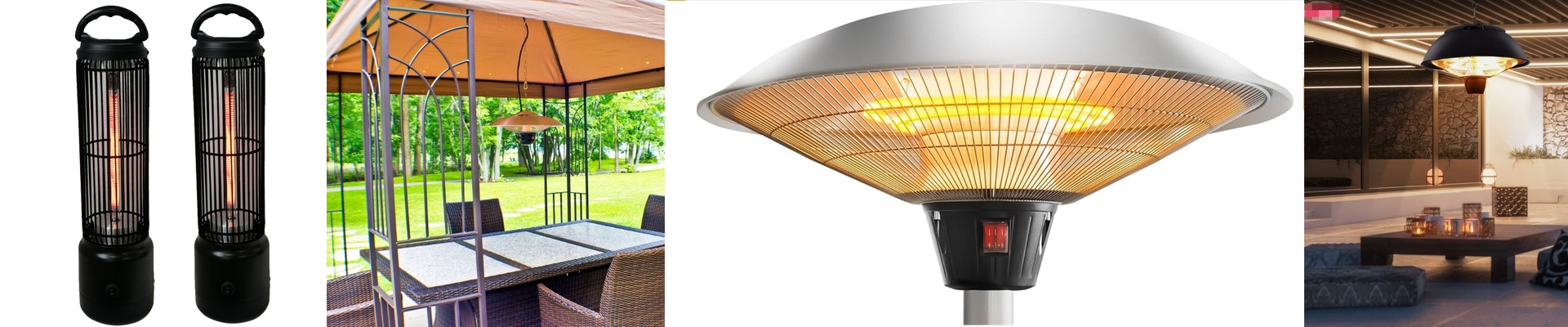
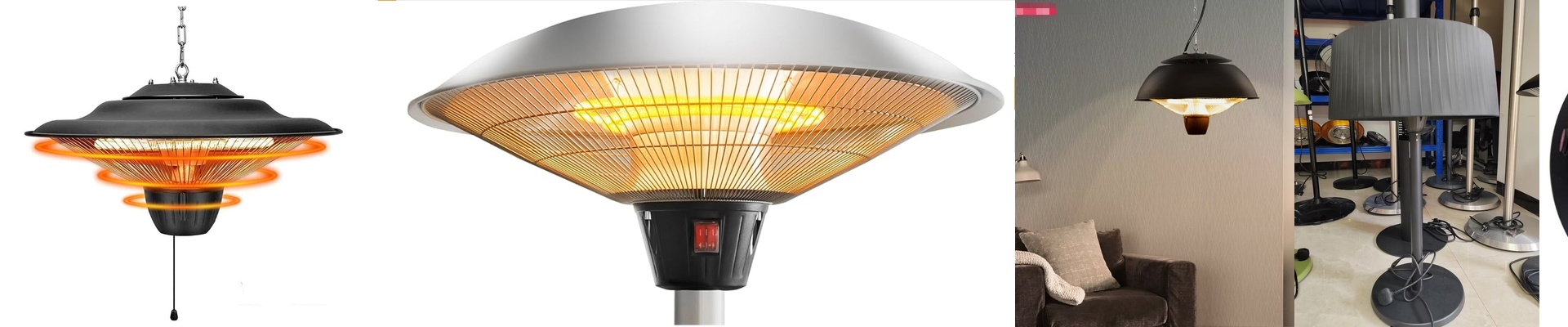

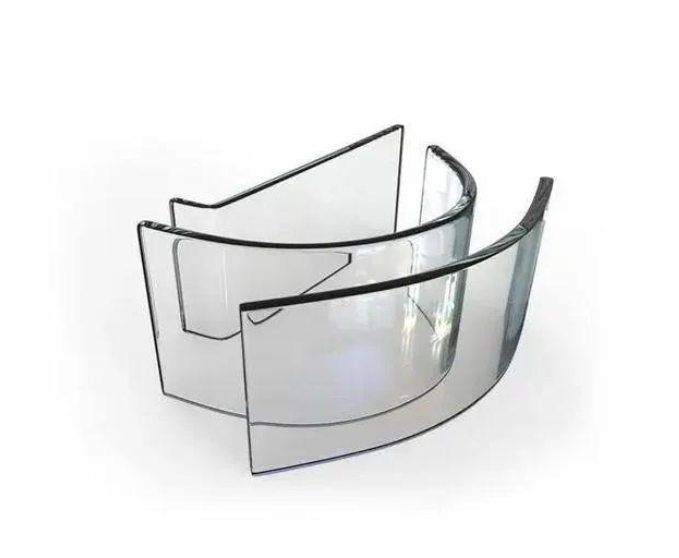
On the glass line, heat isn’t just a number on a chart—it’s control. One furnace zone that drifts and you’re staring at optical distortion, edge waves, or a tempering line that stalls out while scrap piles up. When the schedule is tight, you need heating that repeats, shift after shift, with no surprises. What matters under the hood We build industrial infrared bulbs for glass work, running short-wave and medium-wave profiles that match the absorption curve of the glass and whatever coating is on it. Quartz envelopes give you fast thermal response and take rapid on/off cycling without cracking. Standard voltage options and compact form factors fit existing bank layouts without a redesign. The payoff is a stable thermal field with tight uniformity—fewer thermal stress fractures, and more consistent bow and warp control. Why this plays in the real processes In tempering, infrared heats the surface fast, so you hit the quench window on time without soaking the body. In bending, that same quick response tightens repeatability on sag profiles, which cuts rework. For lamination and coating drying, infrared shortens soak time and helps you avoid trapping solvents that show up later as bubbles. Bulk buy pricing makes it practical to standardize across multiple lines and keep spares in the rack—when something goes down, you swap, you don’t wait. Here’s the thing with infrared: it’s line-of-sight. Reflectors and bank geometry matter, and emissivity differences between coated and clear glass will shift absorption. Keep mounting surfaces clean and set spacing properly so you don’t cook hot spots into the glass. Match the bulb spectrum and power density to your process window, then lock it in with routine checks on alignment and temperature profile.