

Introduction
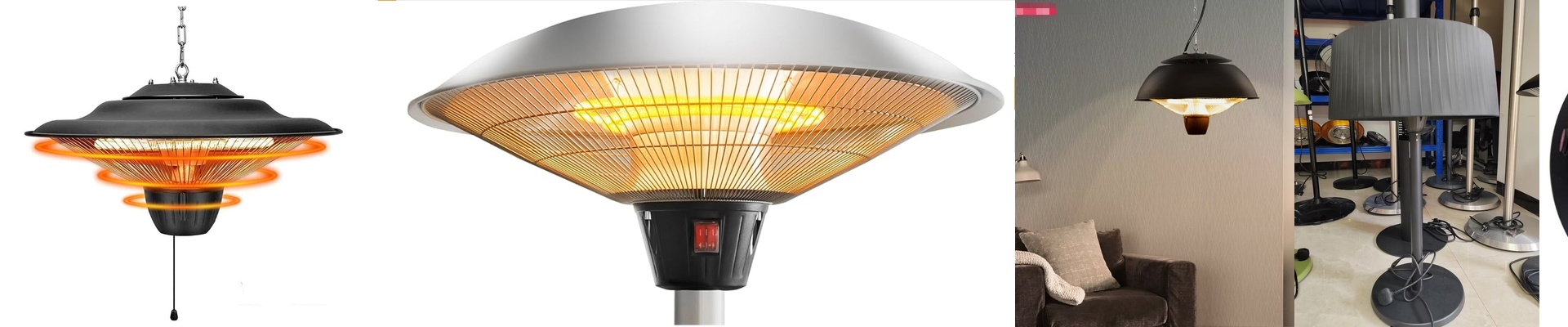
We build CE-approved electric infrared heaters for the real work—heating, drying, and curing on the factory floor. They’re built to deliver fast, focused heat, but here’s the thing: they only stay that way when the emitting surfaces stay clean. When dust and carbon build up, the heater has to work harder. Efficiency drops. And your operating costs quietly creep up.
How it actually works
Infrared heaters turn electricity into radiant heat—simple enough. But the surface that radiates that heat needs to be clean. If it’s coated with grime, that layer traps heat. The element runs hotter just to hit the same temperature. That means more energy pulled from the wall, and more wear on the parts.
The material choice that matters
We use a quartz envelope because it handles rapid temperature changes well and keeps emissivity stable. Over time, contaminants reduce emissivity, and the output spectrum shifts. The heater can lose effective power, and you can get uneven heat—hot spots that stress the tube and can eventually crack it. Keep the surface clean, and you keep the heat consistent—exactly where you want it, without surprises.
Maintenance that doesn’t feel like paperwork
The routine is straightforward. Power down. Let it cool. Wipe the tube with a dry, lint-free cloth. If you run into stubborn films, use a solvent approved by the manufacturer, then double-check alignment when you put everything back together. That small habit keeps output steady and stretches the life of the heater.
The honest trade-off
If your environment is dusty, you’ll clean more often. That’s just reality. Skip cleaning, and operating temperatures climb. Elements age faster. And when parts fail early, you get the worst kind of surprise—downtime. In heavy-dust areas, pair the heater with protective shields or filters. And make inspections part of your regular preventive maintenance, not an afterthought.
What it feels like on the line
When the infrared output stays consistent, cycle times stay consistent. Part quality repeats, shift after shift. Clean elements smooth out energy spikes and keep power draw steady, which can help lower peak demand. The whole system becomes more predictable—fewer unplanned stops, less scrambling, and a lower total cost of ownership. Follow the CE-compliant service steps, and the heater stays a reliable, long-life heat source. Keep that surface clean, and the machine runs the way it was meant to—efficient, stable, and ready for the next run.