
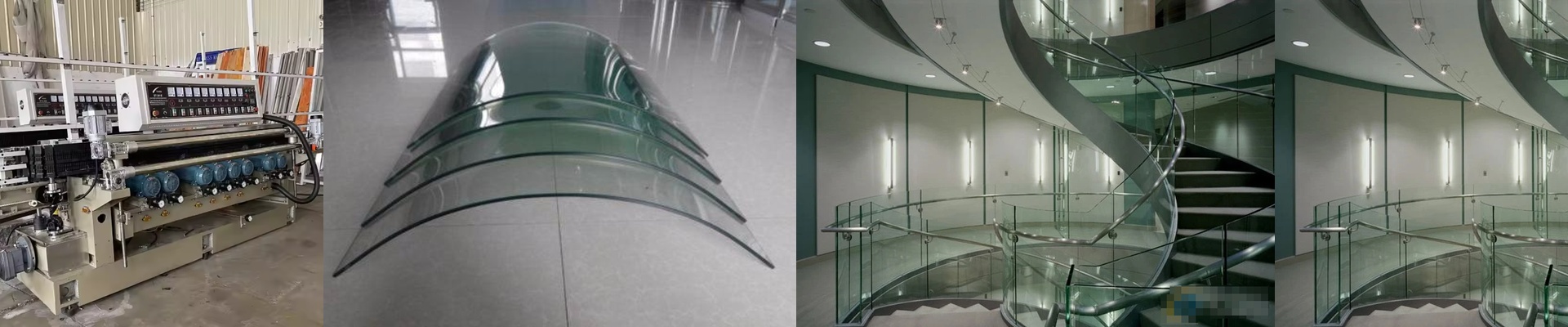
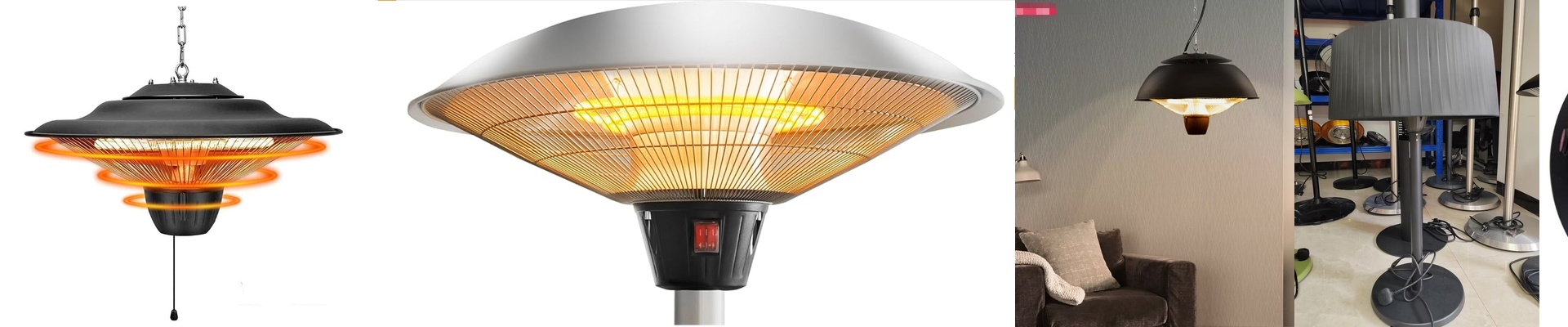
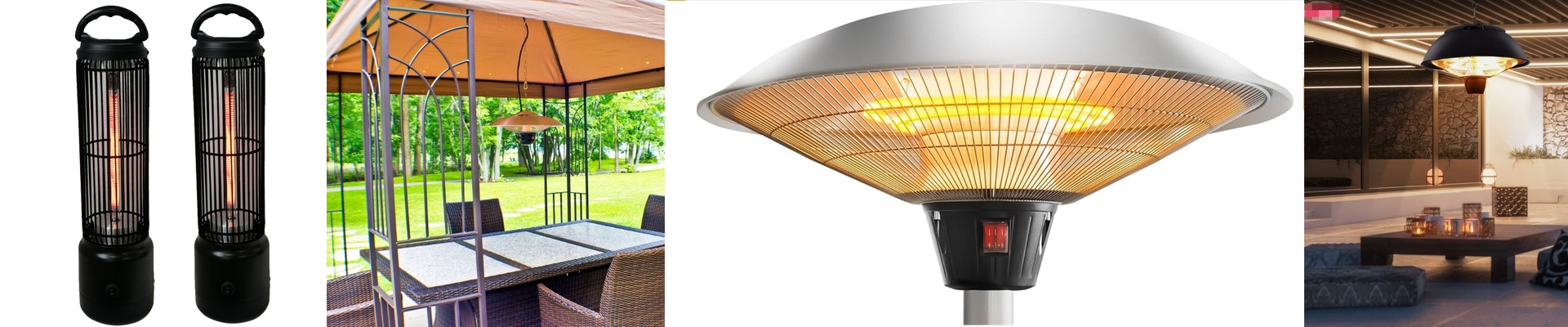
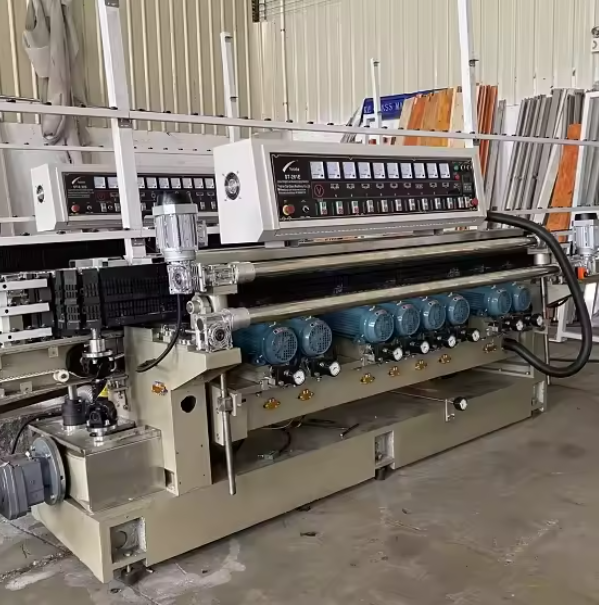
On the glass line, heat isn’t just another parameter. It is the process. Let the furnace profile drift and you’ll see bow, optical distortion, or thermal stress fractures. Let lamination dwell wander and you’re buying yourself delamination and rework. The CE-approved infrared lamp gives you repeatable heat exactly where the process needs it, without turning the surroundings into a hotbox. What matters, technically We build these around short-wave infrared emitters in a quartz envelope, so response is fast and peak temperature stays under tight control. The output is focused into a defined thermal zone—hit the glass surface efficiently and keep the rest of the equipment running cooler. Standard configurations run on 230V/400V industrial supplies, with terminals that can take plant power and shielded leads that don’t whine about the electrical noise. Output density is matched to glass processing windows, so you get the ramp you need for tempering and the uniformity EVA/SGP/PVB lamination demands. And the CE marking? Not a sticker. It means the unit meets the compliance you have to run under when you’re in serial production. Why it works on real lines In tempering, the lamp hits the surface fast, supporting the quench timing that builds surface compression. In bending, you can add localized heat to shape the glass without overworking the edges. In lamination, it brings the stack up to holding temperature quickly—cycle time drops, and adhesion stabilizes. The payoff is fewer scrap sheets and less downtime spent chasing temperature. The line holds rate. Energy use falls because the heat goes where it needs to go, not into the air and the frame. Here’s what to keep in mind These lamps are built for integration, but alignment is not optional. Set the reflectors to the target zone—miss by even a little and you’ll see banding on low-emissivity coatings. Check mounting clearances and cooling airflow up front. At high power, heat builds fast, and if airflow is restricted, emitter life gets cut short. Plan maintenance around lamp access, and keep spares on hand so you can swap without shutting down the whole oven section.