
Why we stopped building “permanent” outdoor heaters
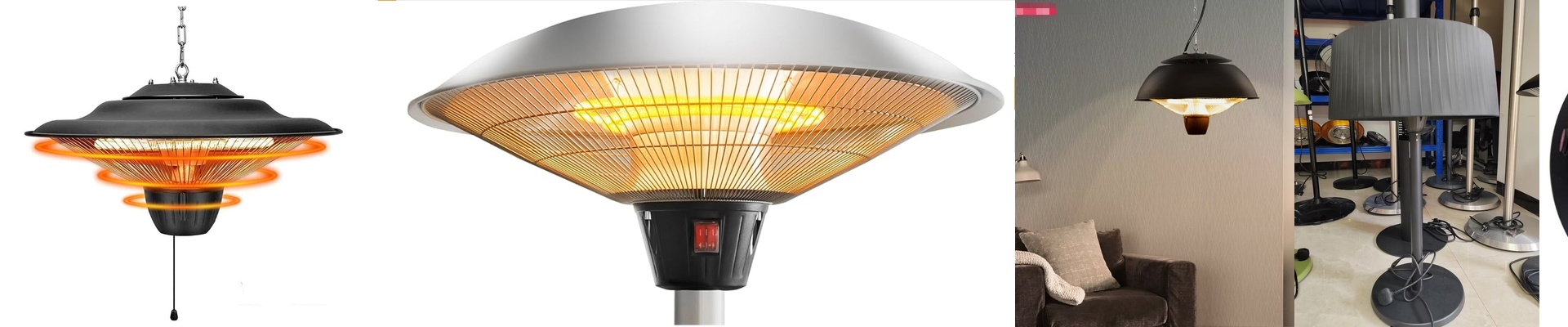
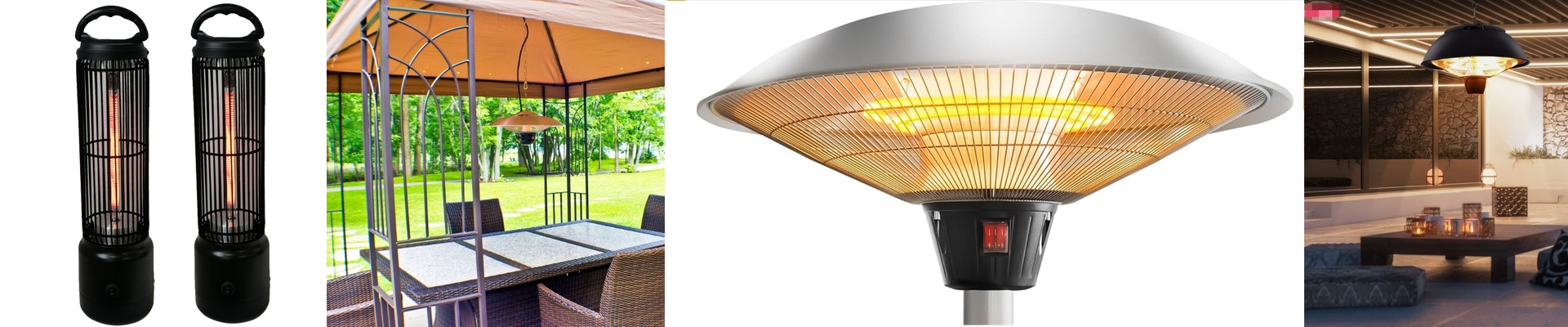
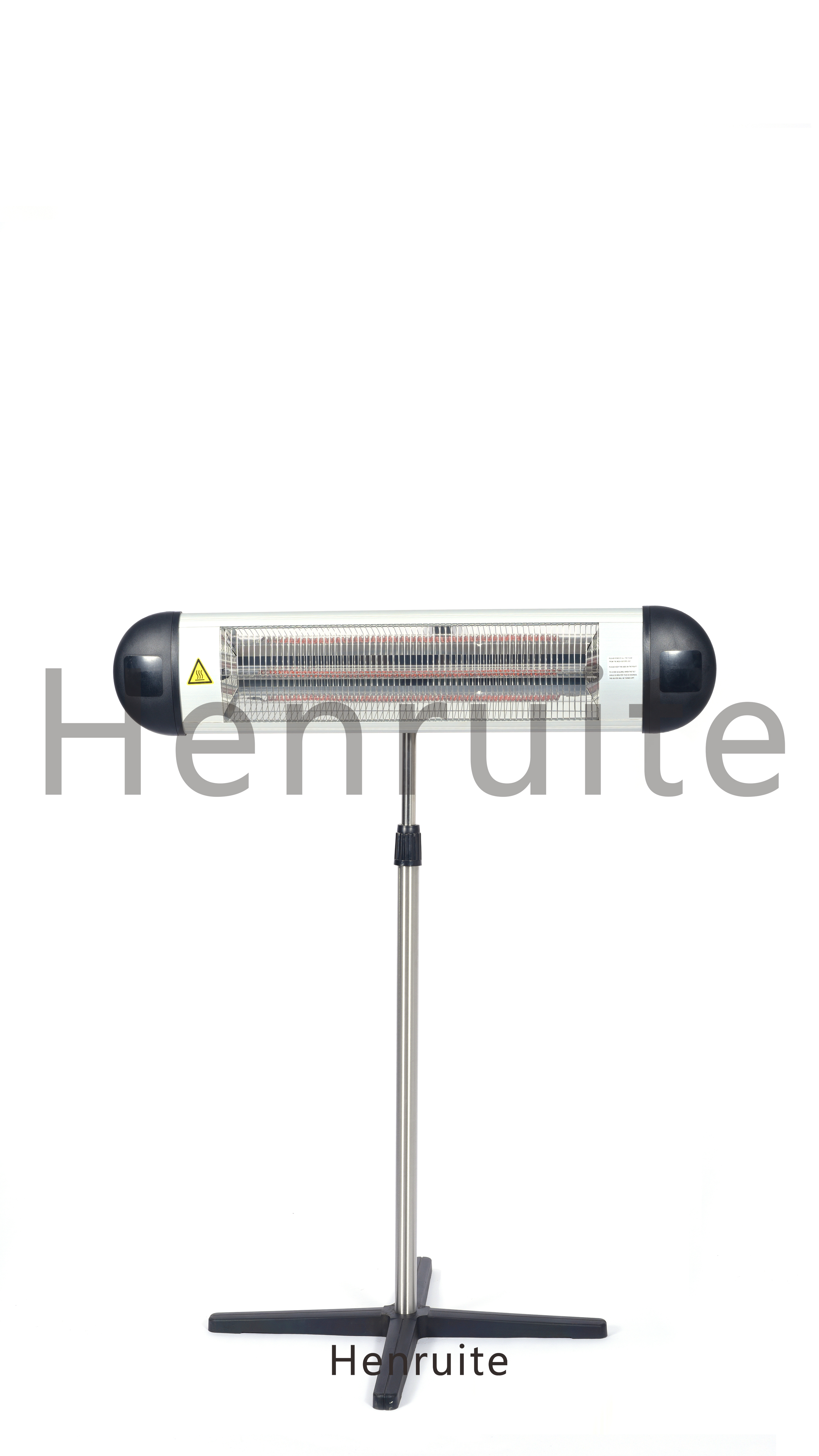
Outdoor heaters have a tough life. They live in the rain, survive freezing winters, and just generally take a beating. Here’s the problem: usually, when a heating element finally dies after a few years, you’re stuck. The cost to hire someone to fix it is often more than the heater itself. It’s a waste. So, we decided to stop building these things as one solid, sealed block and started thinking in modules instead. The “Slide-Out” Secret Most waterproof heaters bury the heating element deep inside the chassis to keep the water out. If a tube pops, you have to basically tear the whole machine apart to get to it. It’s a nightmare. We did it differently. We put the heating element and the reflector on a removable tray. Think of it like a drawer. You pull the tray out, swap the tube, and slide it back in. You don’t have to mess with the main waterproof seal or rebuild the whole housing. It’s that simple. The Nitty-Gritty We use high-wattage quartz tubes, but the real win is in the wiring. Instead of soldering everything together—which is a pain to undo in the cold—we use quick-connect terminals. No fighting with tangled wires. You just unplug the old module and drop the new one in. Now, there is a trade-off. Because of the tray system, the heater is a few centimeters larger than a fixed-mount version. But honestly? Giving up a tiny bit of space to turn a three-hour repair into a 10-minute job is a trade I’ll make every single time. Keeping the Water Out The biggest worry with any waterproof gear is the gaskets. Every time you open a case for repairs, you risk letting moisture in. By limiting the “surgery” to just the module tray, the main electrical guts stay sealed and safe. You don’t have to worry about rain creeping into the control board while you’re swapping a tube. You get all the heat you need without the long-term headache of wondering if the next repair will kill the whole unit.