
Introduction
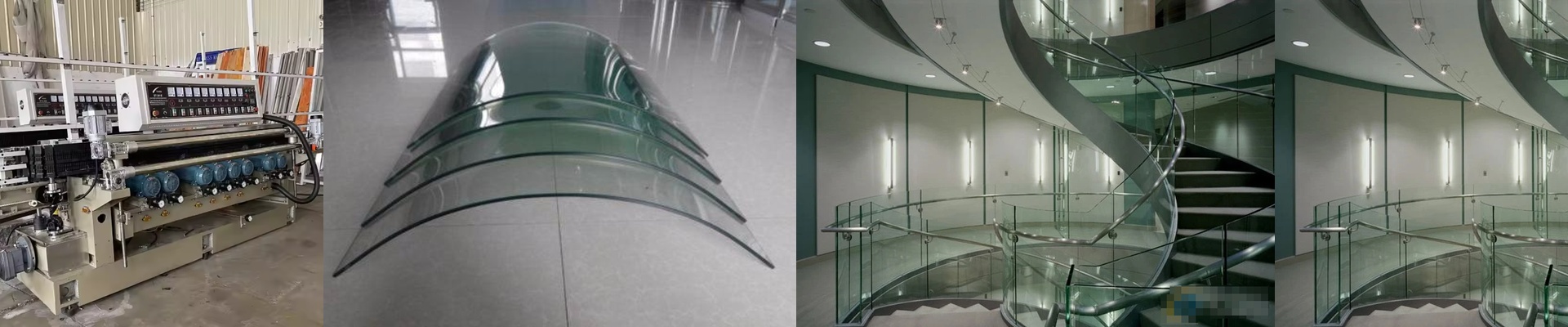
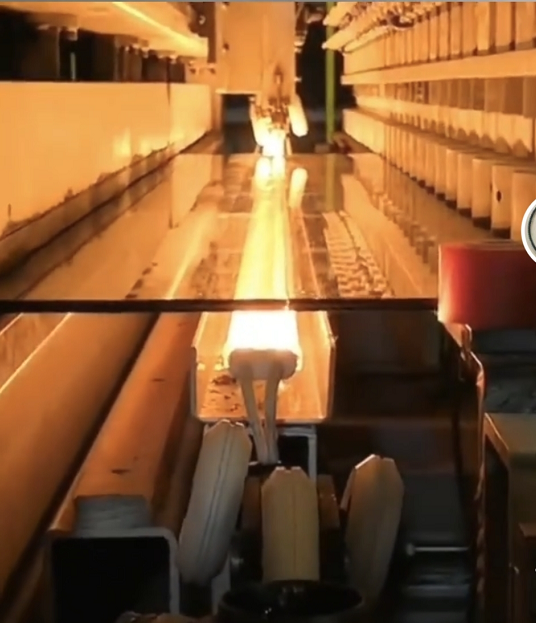
Ever tried cutting ultra-thick glass the old-fashioned way? Just mechanical scoring? It’s brutal on the diamond wheel. The kind of stress that makes you hold your breath, waiting for something to give. So we built something different: high-penetration infrared heating lamps. They pre-soften the glass right along the cutting path. Think of it as taking the weight off the tool’s shoulders. These aren’t just add-ons; they were born for industrial glass tempering lines—the kind of places where precision and uptime can’t be messed with.
Technical Deep-Dive
Here’s the thing about softening glass like this: you need serious heat, fast. That’s why we spec these lamps as high-voltage, high-wattage units. They’re built to deliver the kind of heat density that gets deep into the glass. We’re talking 400V input and 2500W output. That power means the temperature in the target zone climbs quickly, hitting the softening point before you even start scoring. The 300mm tube length gives you a tight, focused heating footprint—just enough to match the scoring width. No wasted heat. No spreading. Just a clean, controlled line of heat that keeps the rest of the glass calm and stable. That’s the secret to cutting thick glass without the warping and chipping that usually comes with it.
Material & Design
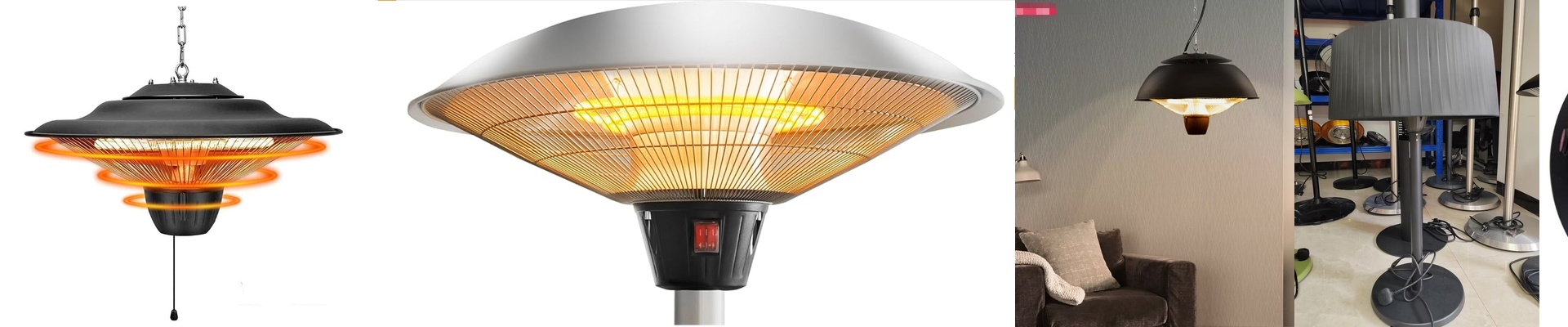
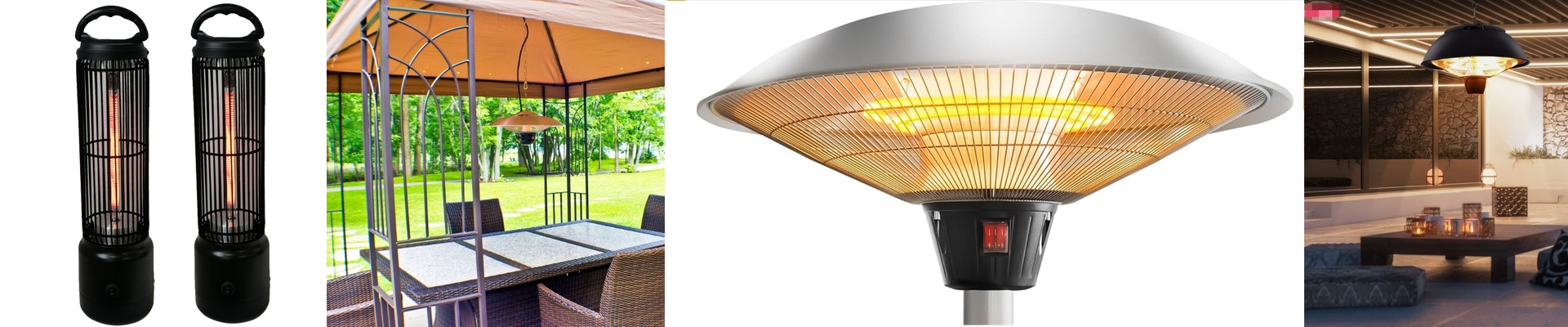
Inside, you’ve got a halogen infrared element tucked inside a quartz tube. Quartz was a no-brainer—it can take the thermal shock without cracking. We also added a special reflective coating to push more energy downward, right onto the glass. It’s all about getting that power density focused on the cutting line. And the R7s connector? That wasn’t an afterthought. It’s a proven industrial interface that handles high current and keeps the lamp sitting perfectly in the holder. No hot spots on the terminals. No wiggle or vibration when the production line is humming. It just stays put, solid and reliable.
Application & Benefits
So how does it actually work on the floor? You wire the lamp into the cutting station and position it just ahead of the scoring head. Then the infrared beam does its thing—softening the glass along the cut line. The payoff? The diamond wheel doesn’t have to fight anymore. It glides through with way less force, which means less wear. Fewer blade changes. Fewer headaches. Now, a heads-up: that 2500W output is powerful, so you do need proper cooling and the right electrical setup. Size your wiring and cooling to the spec, and you’ll get consistent scoring with way fewer interruptions for maintenance. It’s just smoother, quieter work.