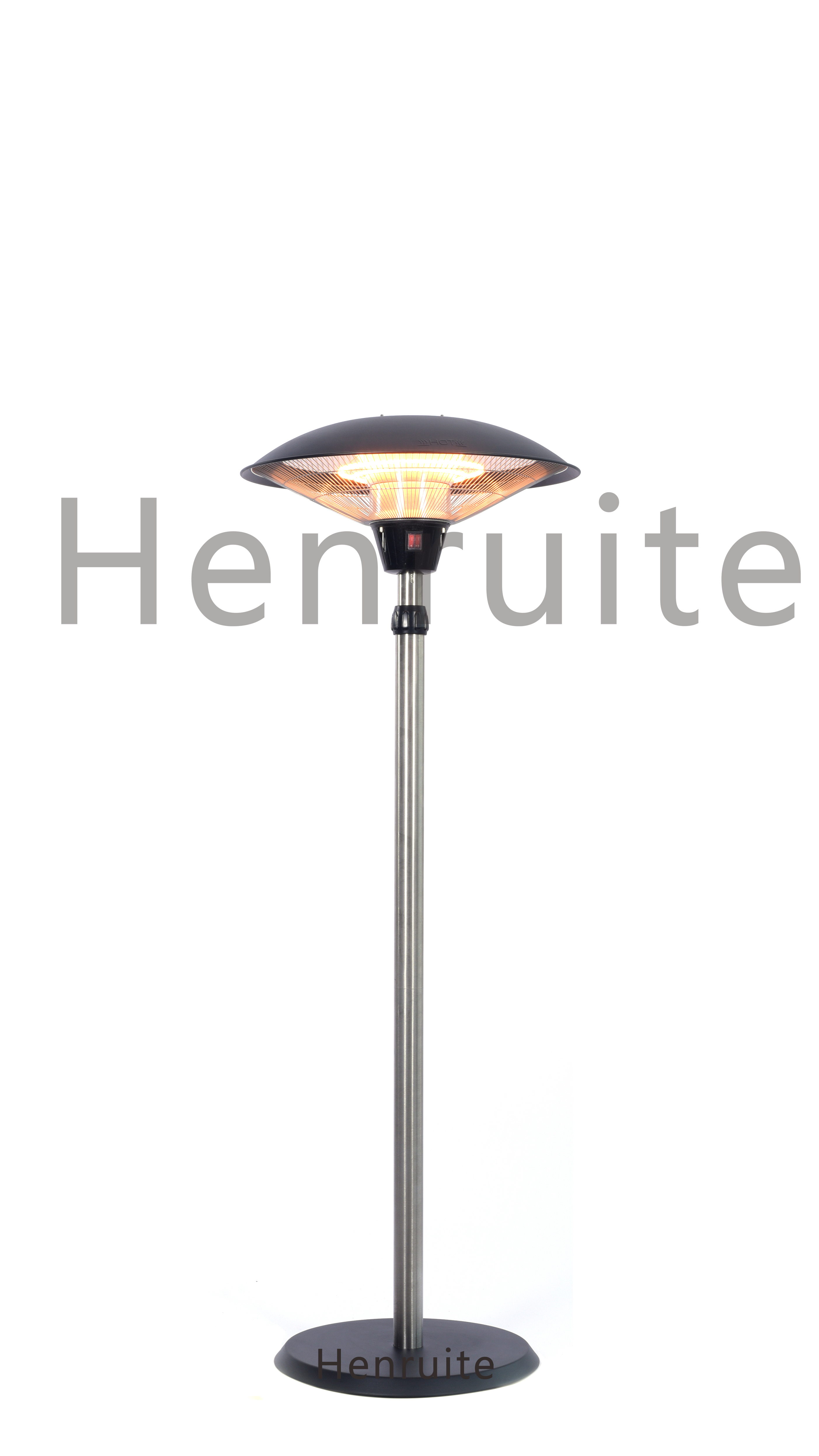
Keeping Wet Zones Warm Without the Headache
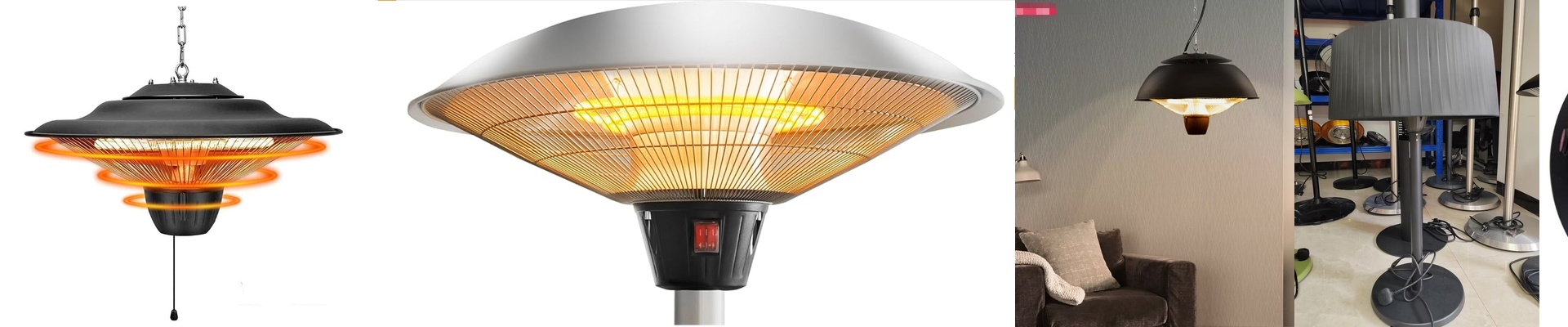
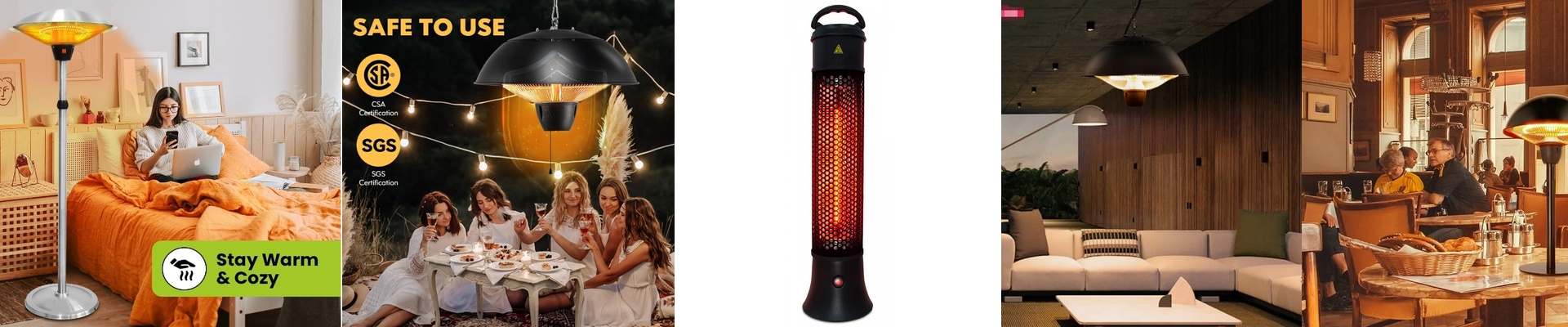
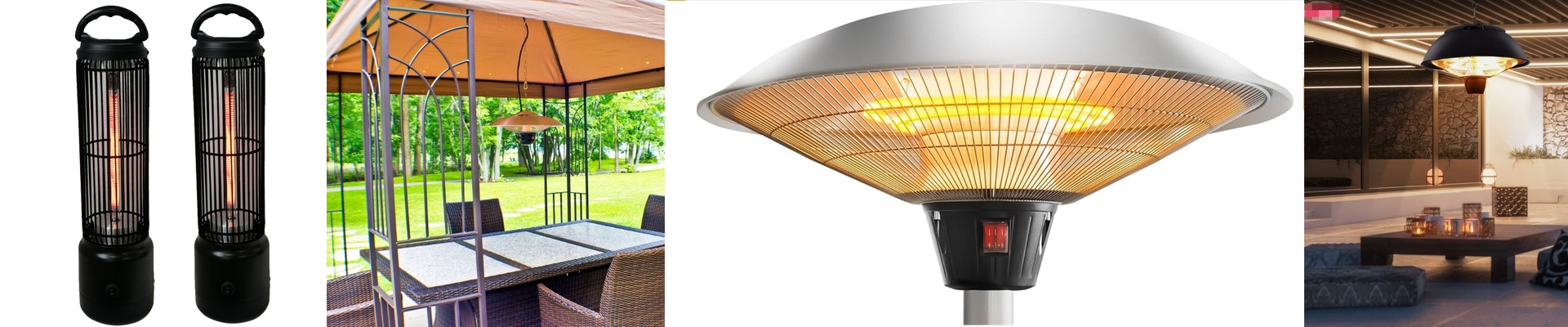
Trying to heat a changing room or a shower area is a bit of a nightmare. You’ve got steam everywhere, water splashing on the walls, and people who just want to feel warm right now. That’s why we lean on IP55-rated infrared heaters. Instead of trying to heat up all the air in the room—which is a waste of time and money—these things beam heat directly onto the person. It’s like stepping into a patch of sunlight on a cold day. Heat that actually happens instantly We use shortwave technology here. The best part? There’s no waiting around. You flip the switch, and in a few seconds, you’re feeling the warmth. It beats the hell out of old-school radiators that take forever to warm up. For high-traffic areas, this is a lifesaver. You don’t have to keep the whole building cranking just to make sure one room isn’t freezing. Why the “IP55” part actually matters You might see different ratings, but IP55 is where we start. The first ‘5’ keeps the dust out so you don’t deal with random short circuits. The second ‘5’ is the important one for wet zones—it means the unit can handle water jets hitting it from any direction. We make sure every connection and the lamp housing are sealed tight. If you cut corners and go with a lower rating, moisture will sneak in, corrode the internals, and your heater will burn out way sooner than it should. A few tips for the install You can put these on the ceiling or the walls to keep the floor clear. Just make sure they’re on their own dedicated circuit so the initial power draw doesn’t trip your breakers. One thing to watch out for: shortwave heat is powerful. If you mount them too low, it’ll feel like standing too close to a campfire—uncomfortable and way too intense. You’ve got to get the height right based on the wattage so the warmth feels even. And don’t forget a vent. If the steam just sits there, it can trigger the safety cut-offs, and then you’re back to being cold.