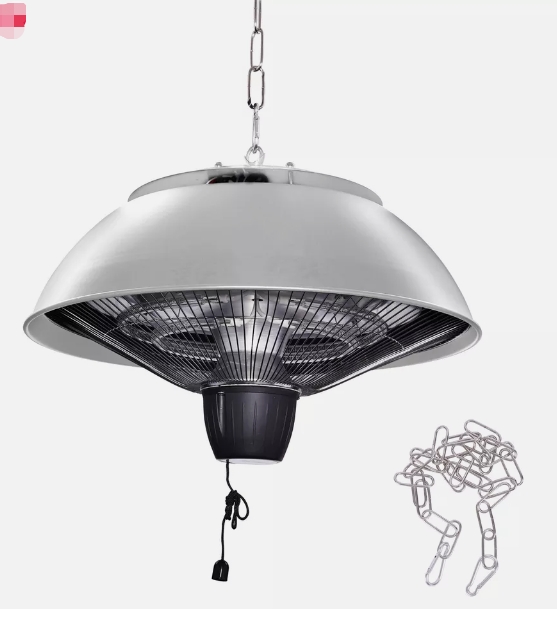
Why we put our bathroom heaters through the “steam chamber”
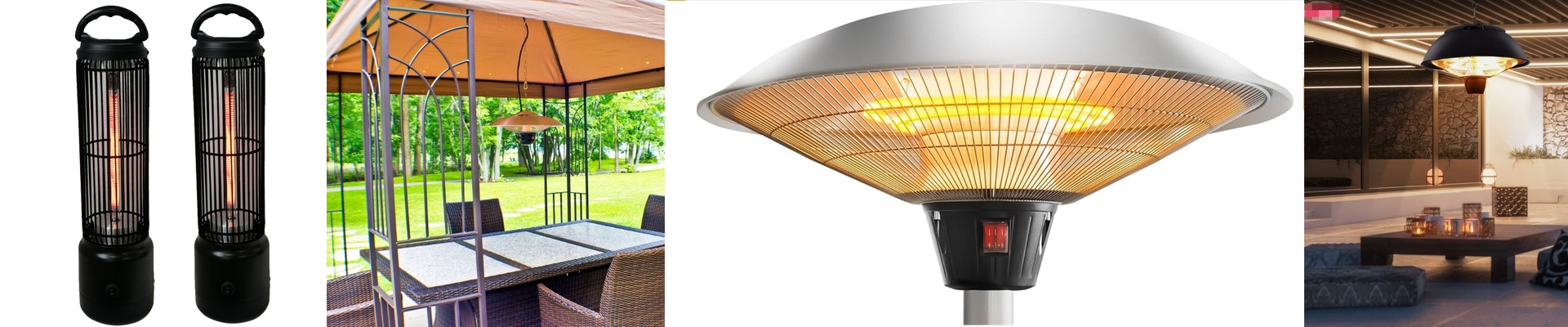
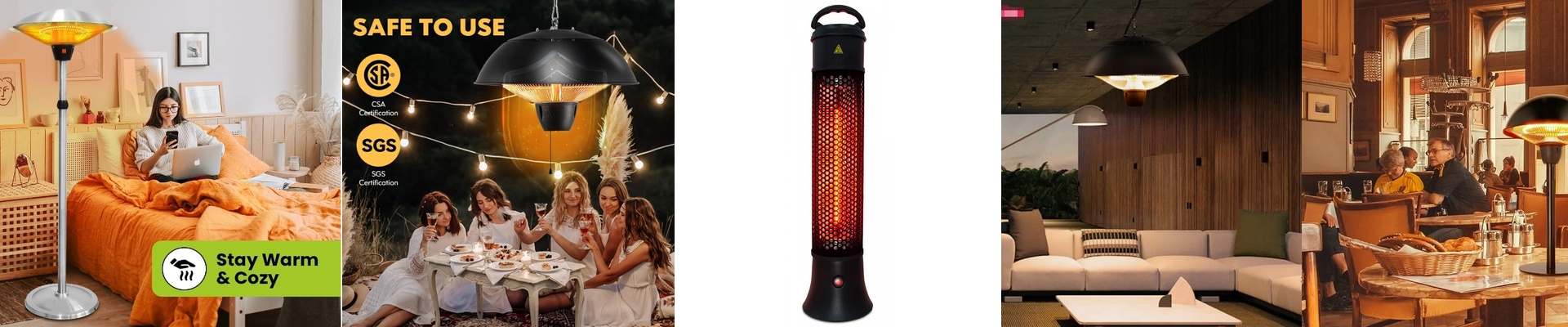
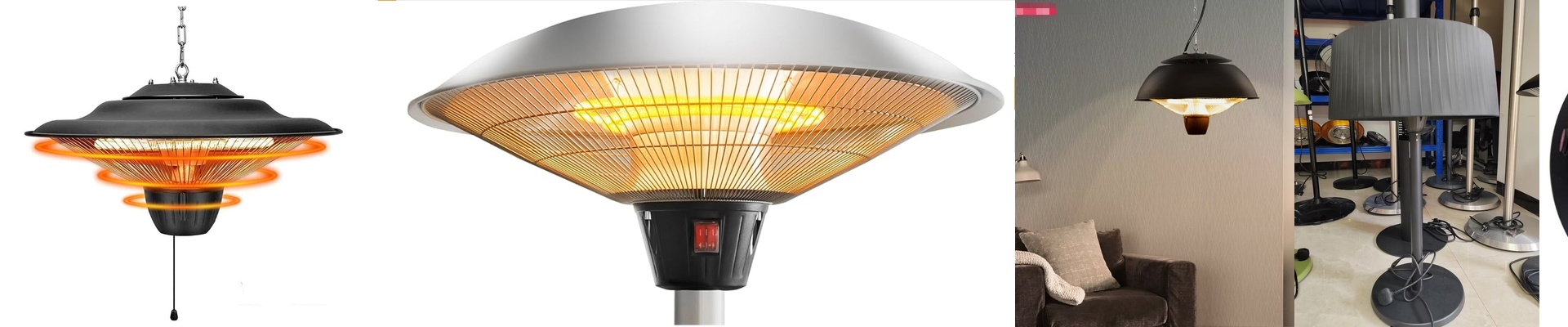
Let’s be honest: bathrooms are a nightmare for electronics. Between the thick steam from a hot shower and the constant temperature swings, it’s basically a torture chamber for heating elements. We could just put these infrared table heaters together and ship them out the door. But we don’t. Instead, we put every batch through something called “damp-heat aging tests.” Basically, we try to break them in the lab so they don’t break in your home.
The battle against moisture
Here’s the thing about water vapor: it finds a way in. It sneaks through the tiniest gaps in the housing. Once that moisture hits the electrical contacts or the quartz glass, things start to get messy. You get oxidation, and eventually, the electricity starts “wandering” where it shouldn’t. If a seal isn’t perfect, the lamp pops. Or worse, the housing arcs. To stop that from happening, we toss the units into high-humidity chambers. We cycle them through extreme steam and heat to simulate years of use in a few days. If a seal is going to fail, we want it to happen on our workbench, not in your customer’s bathroom.
Where things usually go wrong
When we’re testing, we’re hunting for two main problems. First, there’s the “breathing” effect. When the lamp heats up, materials expand. When it cools down, they shrink. This constant movement can actually suck moisture right into the heart of the lamp. If that seal isn’t tight, it’s game over. Then there’s the corrosion. Moisture loves to eat away at the pins. This creates resistance, which creates more heat, which eventually melts the wiring. It’s a nasty chain reaction.
Finding the sweet spot
You’d think the answer is just to seal everything airtight, right? Not exactly. That’s where it gets tricky. If we make the seal too tight, the heat has nowhere to go. The internal temperature spikes, and the electronics basically cook themselves from the inside out. It’s a balancing act. We need it waterproof enough to survive a steamy bathroom, but breathable enough that the wiring doesn’t fry. We spend a lot of time tweaking that middle ground so you get a heater that actually lasts.