
Why we put our bathroom lamps through a “steam torture test”
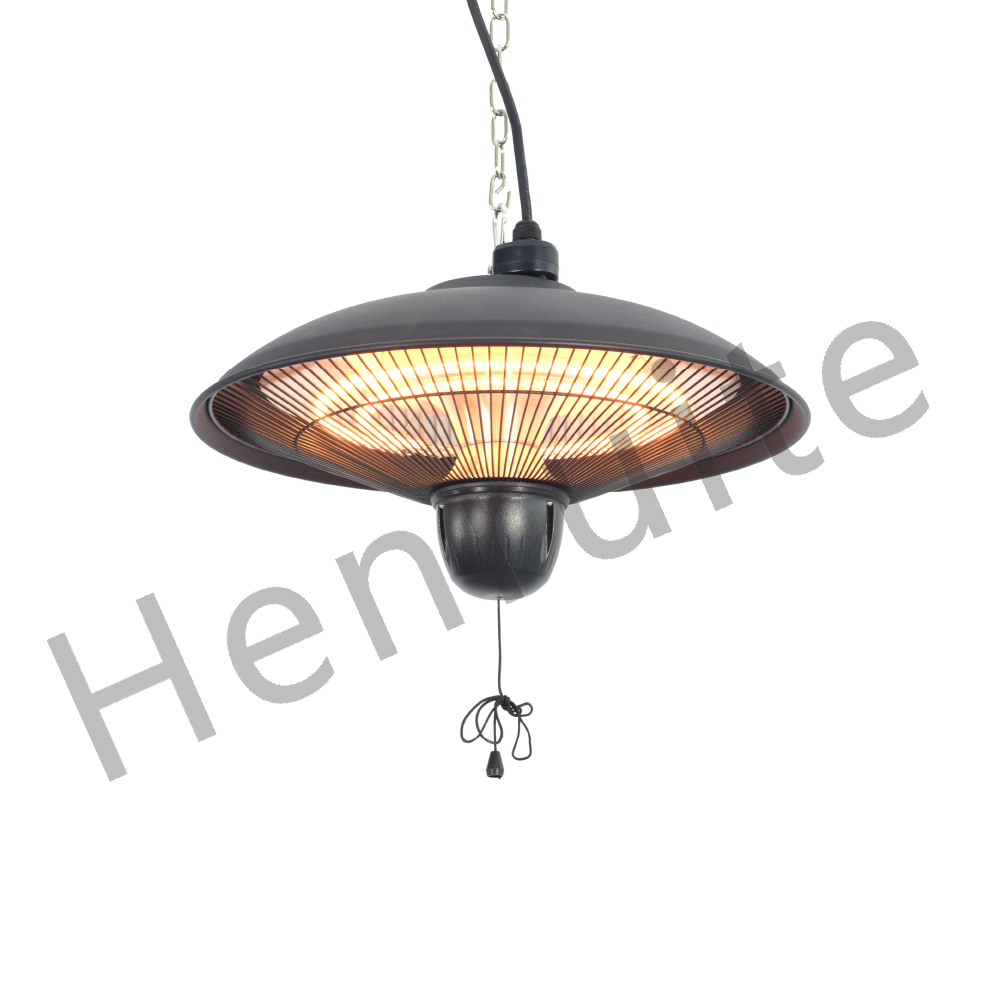
Let’s be honest: bathrooms are a nightmare for electronics. Between the thick steam from a hot shower and the constant humidity, it’s a brutal place for a heating element to live. If a lamp isn’t built exactly right, the seal fails. Moisture sneaks in, hits the filament, and—pop—your light is dead in a few weeks. We don’t want you dealing with that. That’s why we put our lamps through damp heat aging tests before they ever leave our warehouse. The battle against moisture Most of these heaters use quartz glass tubes. Quartz is great for heat, but the real trouble starts where the metal wires enter the glass. That seal is the only thing standing between your lamp and a watery grave. Here is what happens: if the seal is weak, water vapor crawls inside. Once that moisture hits a glowing hot tungsten filament, it causes rapid oxidation. The metal thins out, gets brittle, and eventually just snaps. How we actually test them We don’t just spray them with a hose and call it a day. We use climate chambers that swing between oppressive humidity and intense heat. It’s basically a sauna from hell. We’re hunting for a few specific problems: *Cracking seals: We check if the glass and metal expand at different rates and split apart. *Rusty connectors: We make sure the contacts don’t corrode, which would make the lamp struggle to draw power. *Electrical leaks: We verify that moisture isn’t creating a “shortcut” for electricity to leak toward the ground. The tricky part You might think, “Just seal it tighter!” But it’s not that simple. If we make the seal too rigid, the glass becomes brittle. Then, when you flip the switch in a freezing cold bathroom on a January morning, the sudden heat shock could make the whole tube shatter. It’s a balancing act. We need a seal that’s tight enough to keep the steam out, but flexible enough to handle a cold start without popping. At the end of the day, a wattage spec on a box doesn’t mean much if the lamp dies after a month of showers. We stress-test every batch because we want your bathroom to stay warm for years, not weeks.