
Stop the Shatter: A Better Way to Handle Glass Tempering
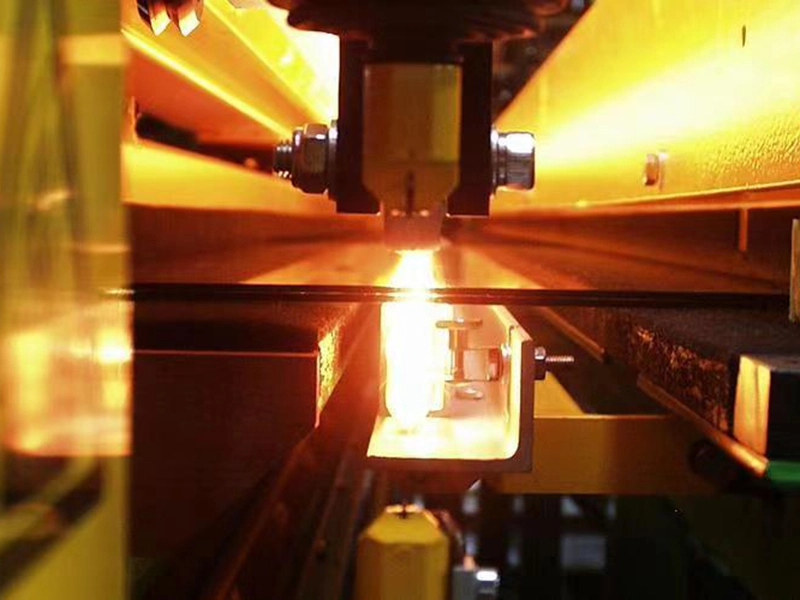
Anyone who’s spent time on a glass production line knows that feeling of dread when you hear that sharp crack. It’s usually thermal shock. You heat the glass too fast, or you cool it down too quickly, and the internal stress just rips the piece apart. To stop that from happening, we use medium-wave infrared (MWIR) lamps. They hit that sweet spot where the heat actually penetrates the glass rather than just scorching the surface.
Getting the Power Right
The real trick to avoiding those fractures is being able to ramp your power up and down in a heartbeat. We pair these MWIR lamps with SCR controllers because they let you tweak the wattage instantly. Instead of just blasting the glass with heat, you can create a stepped profile. This solves the “cold-core” problem—that annoying situation where the outside of the glass expands while the center stays frozen. If you’ve worked with borosilicate or soda-lime glass, you know that’s exactly how stress fractures start.
The Nitty-Gritty on Heat
Here is why medium-wave is the way to go. Short-wave lamps tend to punch through too aggressively, and long-wave lamps basically just warm up the skin of the glass. MWIR gives you a controlled “soak.” But you have to keep an eye on your wattage per inch. High-density lamps get the job done for flash tempering, but they’re thirsty for power. If you’re running a big array, double-check your wiring. If your cables aren’t rated for the peak current, you’ll get voltage drops. And voltage drops mean uneven heating, which means more broken glass.
The Trade-offs
Now, it’s not magic. MWIR lamps don’t have the raw, aggressive intensity of short-wave halogens. Because of that, your conveyor speed has to be perfectly synced with how fast the lamps ramp up. Push the line too fast? You’ll end up with cold spots. Go too slow? You’ll probably over-temper the edges. It’s all about finding that rhythm.