
Why we torture our bathroom heaters before they reach you
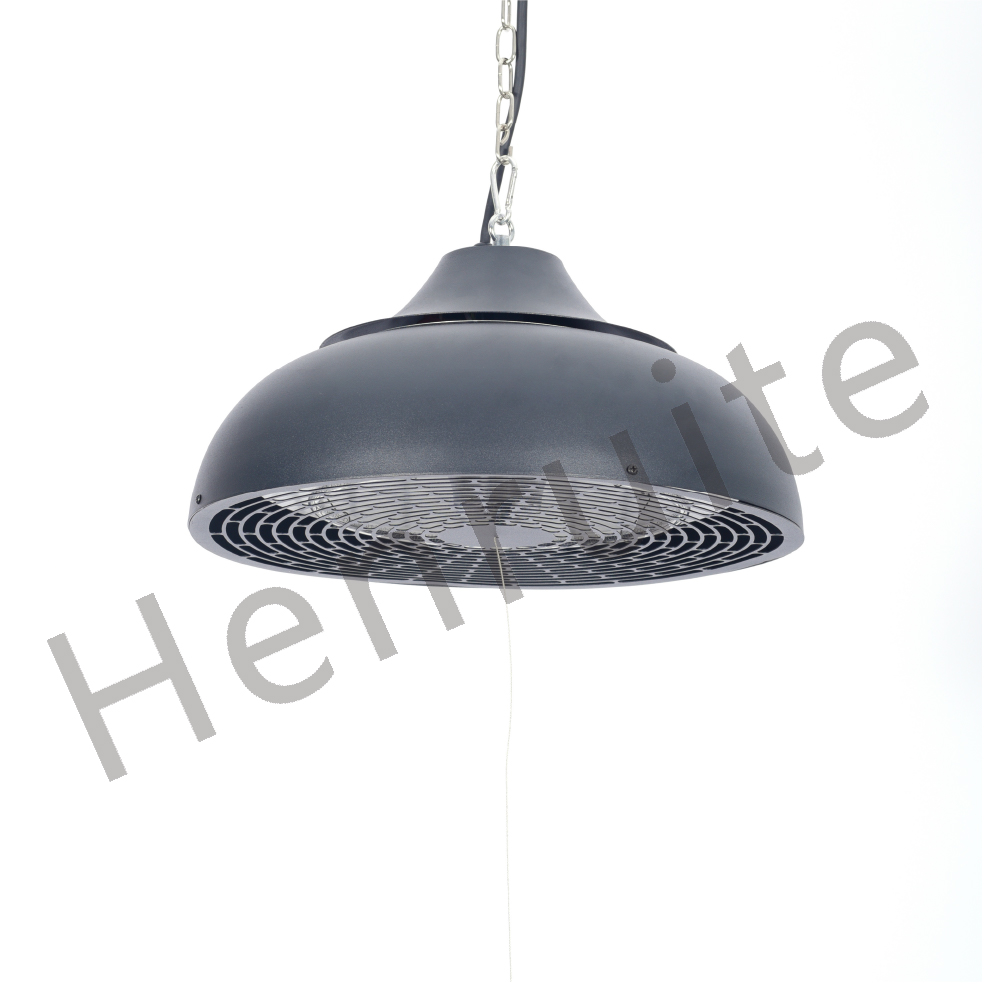
Let’s be honest: bathrooms are absolute nightmares for electronics. You’ve got freezing mornings, steaming hot showers, and a constant cloud of humidity that just wants to eat through seals and rust out metal contacts. We don’t like to guess if a lamp is going to hold up. Instead, we put it in a chamber and try our hardest to break it.
The battle against steam
Water vapor is basically the natural enemy of a quartz heating tube. If even a tiny bit of moisture sneaks past the seal of a lamp, it reacts with the hot quartz and the electrodes. That’s how you get those annoying premature burn-outs or, worse, electrical arcing at the terminals. To stop that from happening in your home, we run “damp-heat” tests. We basically simulate years of steamy showers in just a few hundred hours. It’s a brutal process, but it’s the only way to find a weak spot in the sealing compound or the plating before the product ever gets installed in a ceiling.
Testing the “weak spots”
We spend most of our time obsessing over where the heating element meets the housing. If that seal isn’t airtight, moisture creeps in. Simple as that. We cycle the heaters through extreme humidity and scorching heat over and over. It stresses the materials to their limit. We’re looking for any sign of rust on the pins or insulation that’s starting to give way. If a lamp can’t survive a 95% humidity soak while being powered on and off, it has no business being in a residential bathroom.
Finding the sweet spot
Here’s the tricky part: everyone wants a heater that warms up instantly. To get that, you need higher wattage. But packing all that heat into a small ceiling space puts a lot of pressure on the gaskets. When things get that hot, materials expand. If the seal is too rigid, it cracks. So, we spend a lot of time balancing the power output with the grade of the seals. We want it to be fast, but we want it to actually last. As long as it’s installed according to the IP-rating for your specific bathroom zone, you’ve got a heater that just works.