Getting Wide-Format Low-E Glass Heating Right
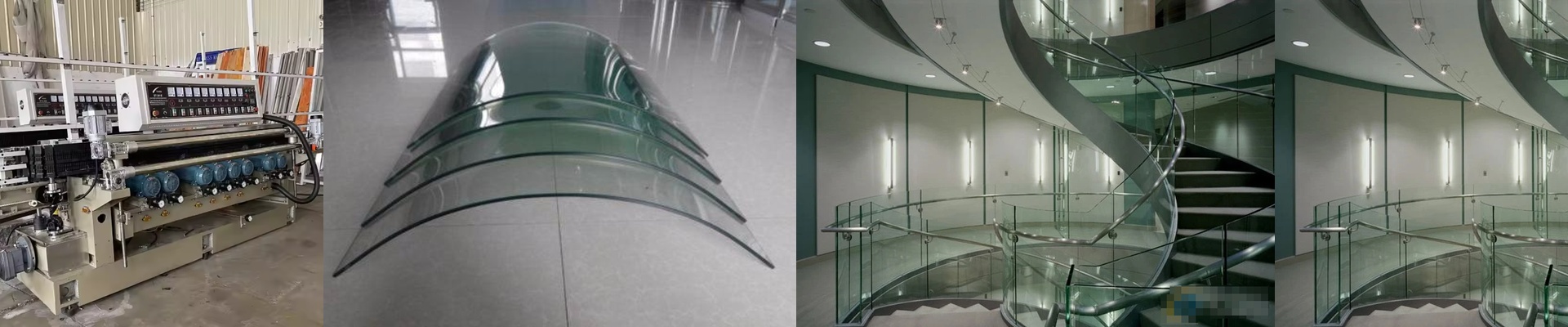
If you’re preheating wide-format Low-E glass, you already know the struggle. You can’t have the heat sagging or spotting across the sheet. It just doesn’t work. Once your lehrs get wider than 3 meters, those standard, off-the-shelf lamps usually fail you. That’s why we build custom, ultra-long continuous infrared units. We wanted to get rid of those annoying cold spots you always find when you’re using modular arrays. The battle with power and heat Designing a lamp that stretches over 3 meters is a bit of a headache. You’ve got to deal with voltage drop and heat density. We spec our units to keep the wattage per centimeter exactly the same from one end to the other. Why? Because if the power isn’t balanced, you get “striping” on the glass. And that’s a nightmare—it ruins the Low-E coating instantly. We use high-wattage quartz elements to get the heat up fast. Just a heads-up: make sure your power supply and wiring can actually handle the high current draw. You don’t want your leads overheating. Building things to actually last Over a 3-meter span, gravity is your enemy. We use heavy-wall quartz tubing so the lamps don’t bow under their own weight. We also center the filaments perfectly so the radiation pattern stays even. We can do specific end-cap setups, too. This means they’ll drop right into your existing frames without putting any weird stress on the glass. Plus, we use reinforced seals at the connection points. It stops them from burning out when you’re cycling them rapidly. The reality of living with these units Look, these long-format units give you the best, most uniform heat footprint for wide glass. But they’re fragile during the install. One wrong move or one bump while you’re wiring things up, and you’ve got a cracked 3-meter tube. It’s frustrating. To stop the vibration, we suggest putting in dedicated support brackets every 500mm. And here is the trade-off: because they’re one long piece, you have a single point of failure. If one tube goes, that whole section of the lehr goes cold. To keep your line moving during maintenance, we usually suggest a redundant layout. It saves you from a total shutdown.