
Fixing Those Annoying Cold Spots in Your Glassware
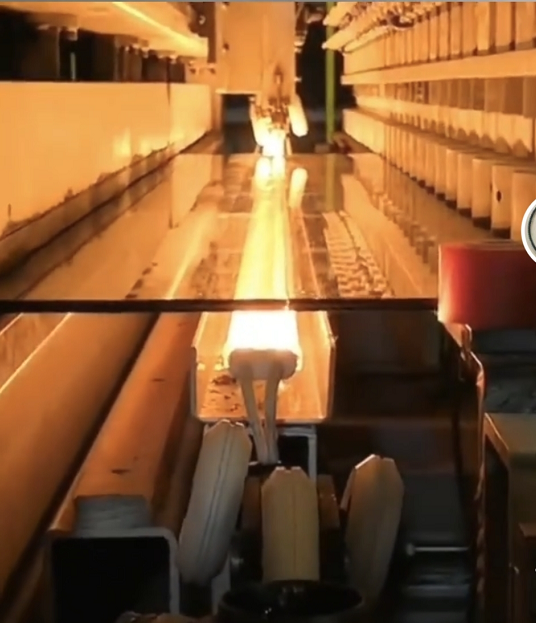
Ever pull a complex piece of glassware out of the kiln only to find it’s cracked? It’s frustrating. Usually, it happens because of “dead zones.” Basically, the shape of your vessel—like a tight neck or a sharp curve—blocks the heat from getting where it needs to go. If those spots don’t hit the right temperature, the glass holds onto internal stress. Then, snap. That’s why we use targeted infrared (IR) lamps. They fill in the gaps. Getting heat where it actually matters Standard heating elements are great for general warmth, but they’re blind. They can’t “see” inside the neck of a flask or the deep bend of a retort. IR lamps are different. They shoot radiant energy straight into those hard-to-reach recesses. By angling shortwave or medium-wave emitters just right, you can force heat into the tightest corners of the piece. Everything cools down at the same rate. No more structural failures just because the geometry was tricky. The gear and the grit We use high-purity quartz envelopes for these lamps. Why? Because an annealing lehr is a brutal place to work, and the hardware needs to survive it. Depending on your setup, we can tweak the voltage so you get the wattage you need without tripping your breakers. High-wattage tubes are a lifesaver when you need to recover heat quickly after loading a fresh batch. But a word of caution: keep an eye on your ambient temp. If you cram too many kilowatts into a tiny space, you might accidentally fry your control sensors. Making it work in the real world We kept the installation simple. Most of our units use standard R7s or Sk15 connectors. If a tube burns out, you just swap it for a new one and get back to work. No drama. But here is the thing: IR lamps are powerful. They create intense, localized heat. You’ll need to tweak your PID controllers to account for that extra boost, otherwise, you’ll overshoot your soak temperature and end up with deformed glass. Also, don’t forget the shielding. You want the heat on the glass, not melting your conveyor hardware.