
Why Your High-Ceiling Heaters Keep Dying (And How to Stop It)
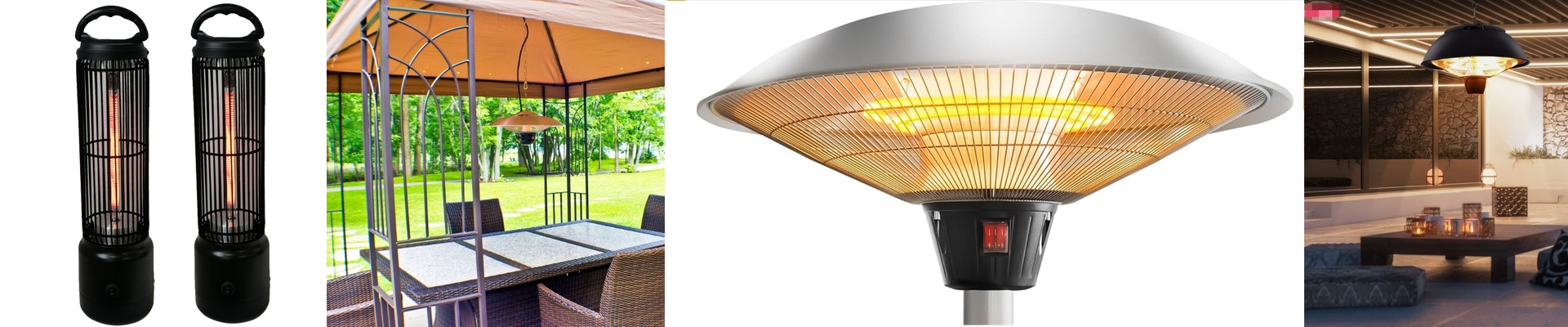
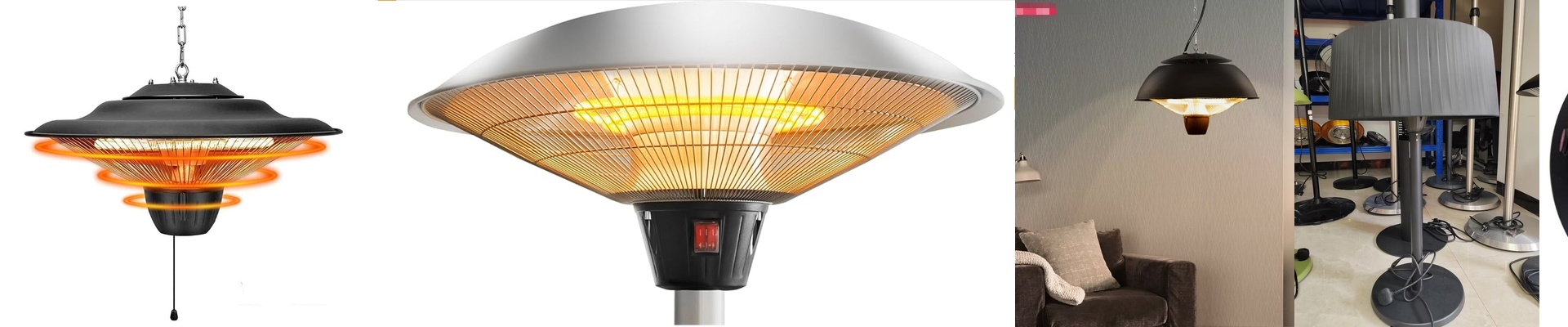
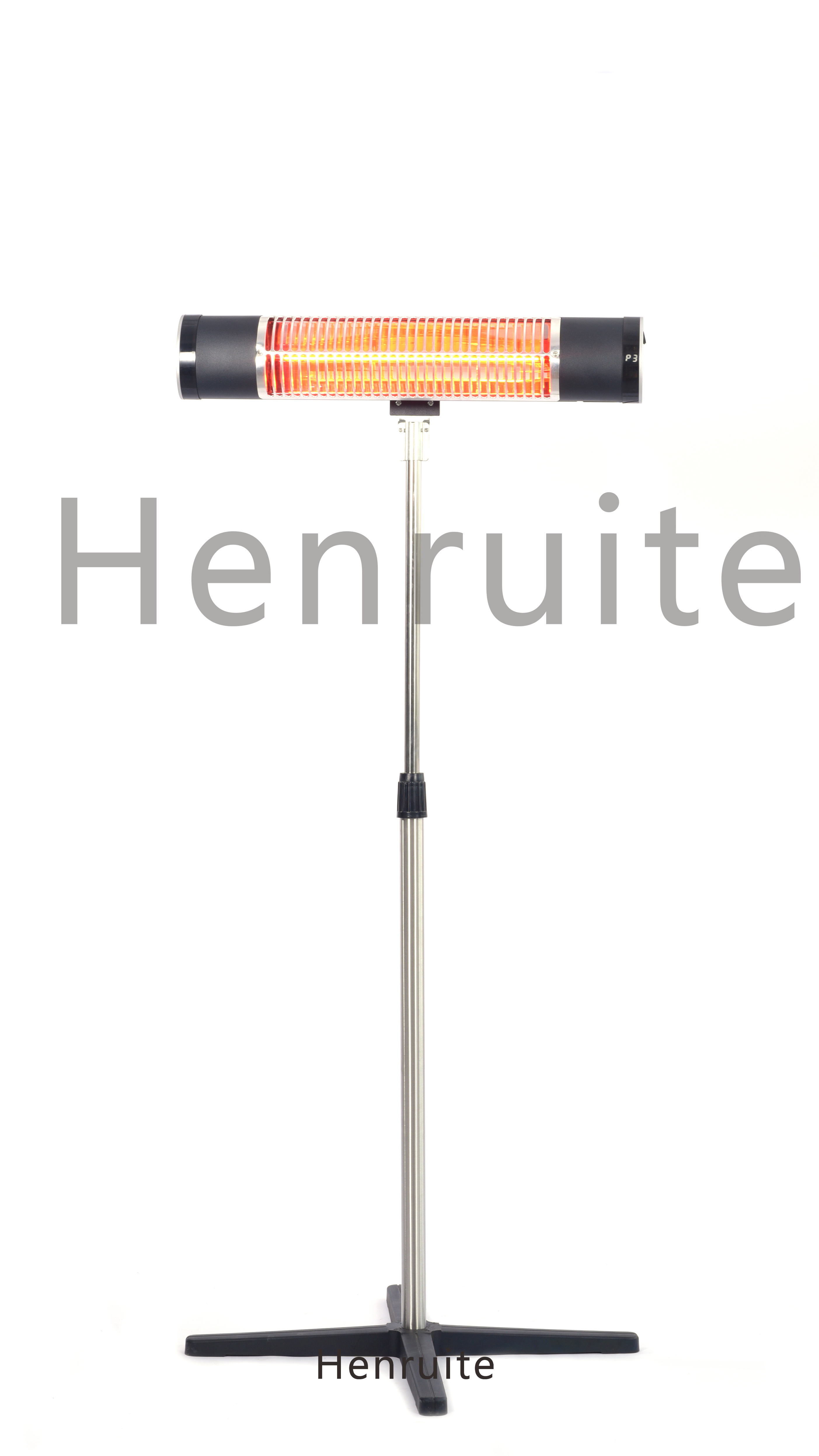
Let’s be honest: factory ceilings are a nightmare for heating gear. It’s not usually the heating element itself that gives up the ghost. It’s the environment. You’ve got dust, humidity, and oily mist floating around. All that junk eventually settles right on the quartz tubes. It creates these intense hot spots, and before you know it, the tube burns out way sooner than it should. It’s frustrating, and it’s expensive. The battle against the “gunk” We decided to tackle this by adding anti-fog and splash-proof shields. Think of it as a raincoat for your heater. Here is why that matters: when a drop of water or a spray of oil hits a scorching hot tube, it causes a thermal shock. The quartz literally cracks. Our housing just pushes that liquid runoff away from the electrical terminals and the tube surface. Simple, but it works. Then there’s the fogging. You might not notice it at first, but when moisture clings to the reflector or lens, it scatters the heat. You stop feeling that concentrated warmth on the floor. We use special coatings so the water can’t stick. The heat path stays clear. What this actually means for you Most heaters you buy off the shelf fail because moisture leaks into the wiring or coats the element in grime. By sealing off those critical spots, we’ve shifted the failure point. Now, the only thing you have to worry about is the natural wear and tear of the filament over several years. Plus, you can stop spending your weekends scrubbing the units just to keep them running. A few things to keep in mind These housings do take up a bit more space. You can’t just shove them flush against the ceiling. You need to leave a gap. If you pack them too tight, the housing traps the heat, which can eventually melt your wiring insulation. It’s a bad look. Also, do yourself a favor and use high-temp cables. It’s a small detail, but it keeps the jackets from melting when things get really hot in there.