
The Secret to Glass That Doesn’t Just Shatter
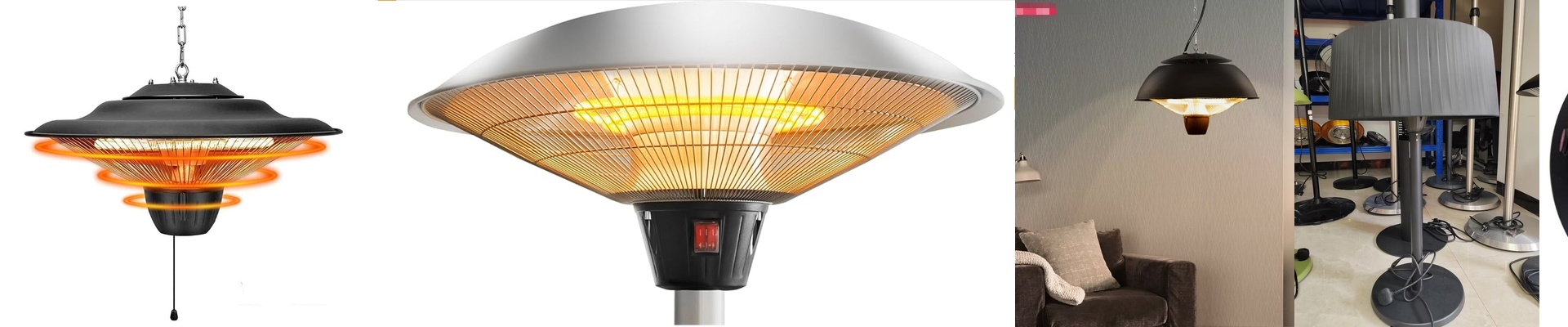
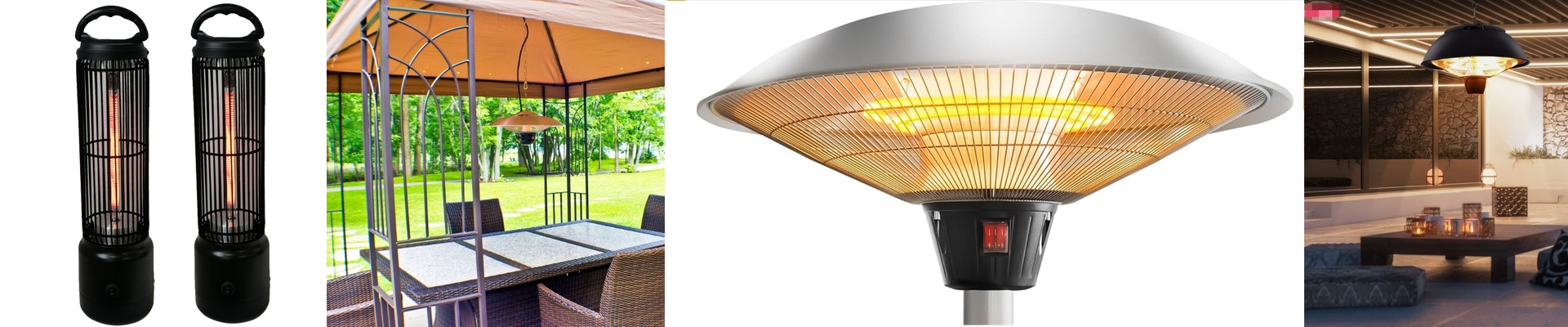
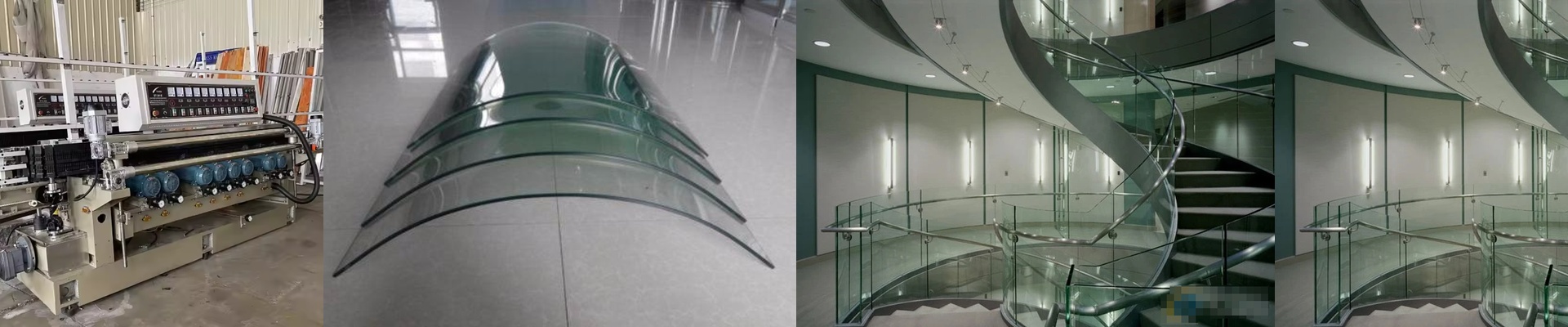
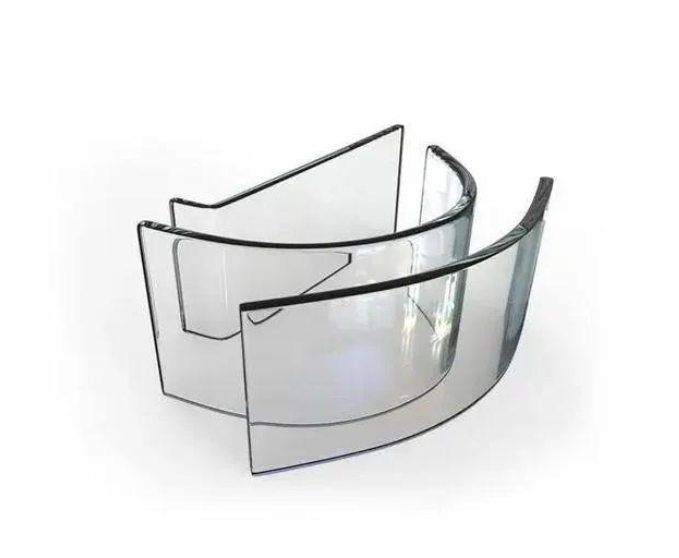
Lab glassware has a tough job. It spends its life holding volatile chemicals and jumping from freezing to boiling in seconds. If there’s any leftover internal stress from when the glass was shaped, it’s just a ticking time bomb. One wrong move and—crack—everything is on the floor. That’s where infrared annealing lamps come in. We use them to gently nudge the glass back to its annealing point, letting the molecular structure relax and settle before we slowly cool it down.
Why 0.1°C Actually Matters
When we talk about 0.1°C precision, we aren’t just bragging about a fancy number on a digital screen. It’s about what’s happening inside the lamp. Here’s the thing: if your lamp temperature swings by even a few degrees, you’re just creating new thermal gradients. You end up adding the exact same stress you were trying to get rid of in the first place. We use high-stability infrared elements that react the second they get feedback from the PID controller. It stops that annoying “overshoot” where the glass gets too hot, starts to deform, and ruins the whole piece.
The Hardware Headache
To get this right, the heat has to hit every single inch of the vessel equally. If your heat map is uneven, you’ve got a problem. One side of your flask might be perfectly relaxed while the other side is still tight and under tension. High-wattage quartz elements are great for getting that heat density, but they’re not without their quirks. They put off a massive amount of ambient heat. If you skimp on the cooling fans or the ventilation, the electronics in your control box will start to drift. And once that happens? There goes your 0.1°C accuracy.
Beating the Stress Fracture
The goal is a slow, steady walk down from the annealing temperature to the strain point. We wire our lamps into a multi-stage ramp-down cycle to make sure the glass reaches a total state of equilibrium. It’s the only way to be sure the glass won’t spontaneously fail during a vacuum test or while being sterilized. If your lamps are worn out or just inconsistent, you’ll see “stones” or tiny fractures the moment you put the glass under a polariscope. It’s a lot of detail for a bit of glass, but it’s the difference between a reliable tool and a mess in the lab.