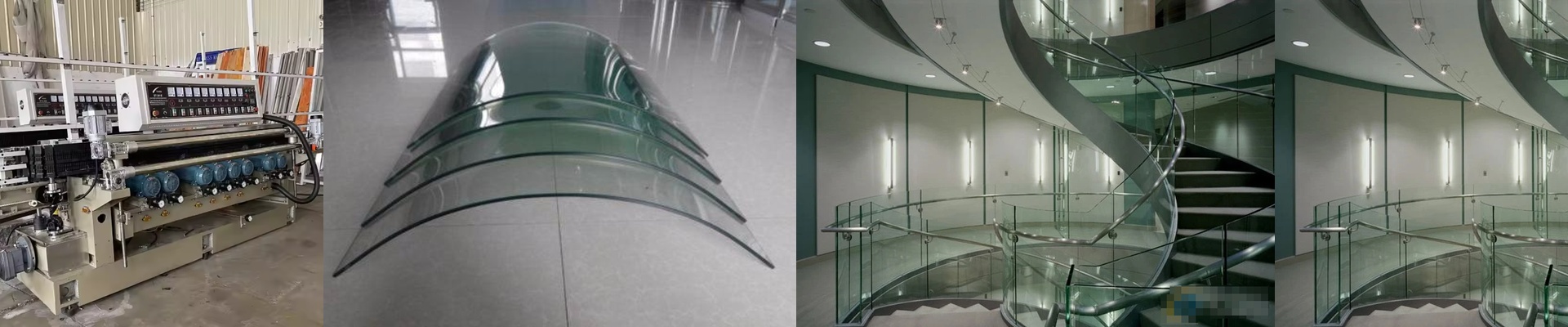
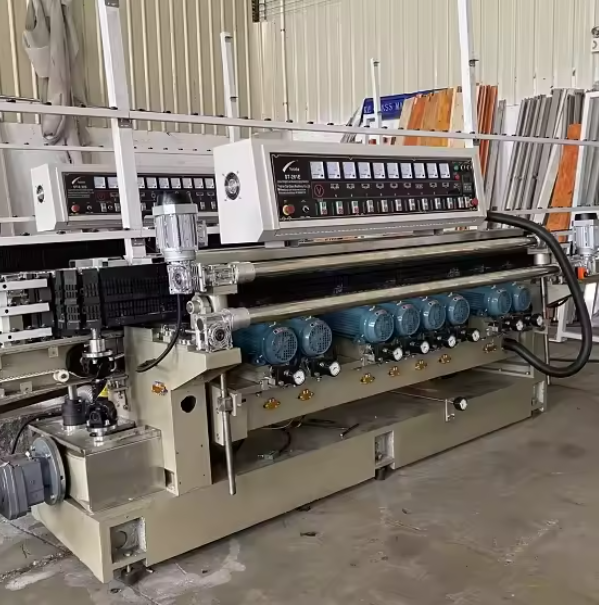
Trying to cut through ultra-thick glass slabs is basically a fight. If you just push a cutting wheel into cold, thick glass, the material fights back hard. You can feel the resistance. It’s brutal on your gear, your wheels wear out way too fast, and the cracks just go wherever they want. We found a better way. We use high-penetration infrared (IR) lamps to prep the path before the wheel ever touches the glass. How it actually works We stick with short-wave infrared emitters because they actually get deep into the glass, whereas long-wave heat just sits on the surface. The trick isn’t to melt anything—that would be a disaster. Instead, we’re just warming up that specific line where the wheel is going to travel. It relaxes the molecular structure and lowers the surface tension. Think of it as “softening” the glass just enough so the wheel doesn’t have to fight so hard to make that first score. Saving your tools When the glass is prepped with IR, the wheel just glides. It’s a night-and-day difference. You aren’t grinding the tool down against a cold, stubborn slab, which means no more chipped wheels or premature burnouts. You get a much cleaner break, and your consumables actually last. The catch (and how to handle it) To get that heat deep into thick glass, you need a lot of power. That means the lamps get hot. Really hot. If you’re setting this up, don’t cheap out on the housing. Use heat-resistant alloys and make sure your cooling fans can actually keep up with the heat around the lamp head. If you skimp on the cooling, your mounting brackets will warp, and then you’ve got a whole new set of problems. Getting it running The best part is that these lamps are designed to just drop right into where your standard heating blocks usually go. Hook them up to a PID controller to keep the temperature steady. You’re looking for a sweet spot. Too much heat and you’ll trigger a thermal shock; too little and you’re back to destroying your wheels. You want it just pliable enough to take the score without snapping too early.