The Real Deal on Ultra-Long Infrared Heaters for Glass Annealing
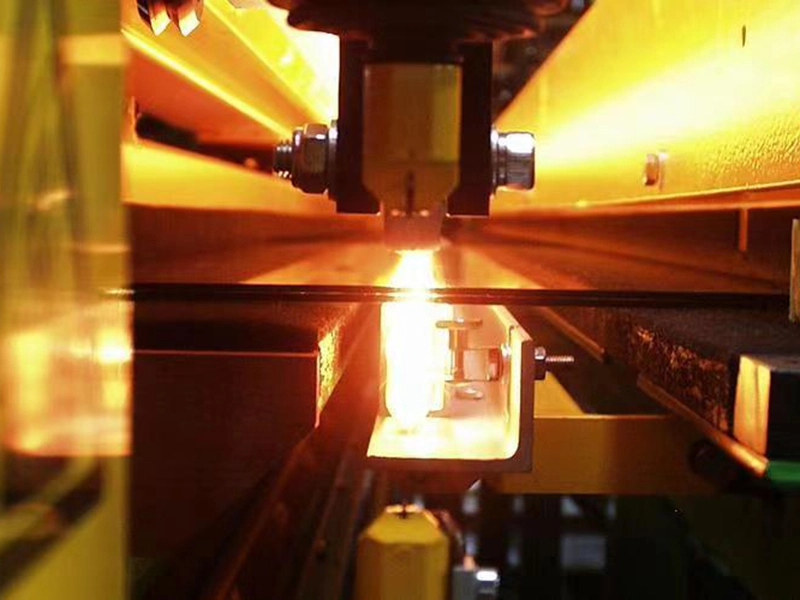
If you’re trying to heat a glass tube over two meters long, you quickly realize that you can’t just buy a few standard lamps and call it a day. It doesn’t work like that. When you’re dealing with that kind of length, you’re fighting a constant battle against cold spots. One tiny dip in temperature and you’ve got internal stress. Then, snap—your glass breaks. That’s why we build these units from the ground up. We focus on getting the heat perfectly even from one end to the other. Dealing with the power struggle Here’s the thing about long tubes: the math gets tricky. If you just crank up the power, you risk melting the quartz envelope. We usually go with higher voltage setups. Why? Because it keeps the current under control. If you push too much amperage through a long filament, the voltage drops, and suddenly your heat isn’t consistent anymore. We spend a lot of time balancing the wattage so the first centimeter gets the exact same love as the last. Quartz and the “Striping” Problem We use high-purity quartz because, frankly, it’s the only thing that can handle these temperatures without giving up. But the real trick is in the layout. We design these lamps to sit tight, end-to-end. If there are gaps, you get “striping”—those annoying bands of uneven heat. You can wire them in series or parallel depending on what your power supply can handle, but I always suggest a modular setup. It makes your life a lot easier when it comes time to swap a part. A few warnings for the shop floor These units are powerhouses, but they’re also fragile. A two-meter quartz tube is basically a giant glass stick—it hates being bumped. **Please, don’t tighten your mounting brackets too much.**Give them some wiggle room. Quartz expands when it gets hot, and if your brackets are too rigid, the tube will just snap during the first heat-up. It’s a heartbreaking sound. And one last tip: since the center of the tunnel gets the hottest, make sure your cooling fans are actually up to the task. You don’t want your lamp housings baking in their own heat.