

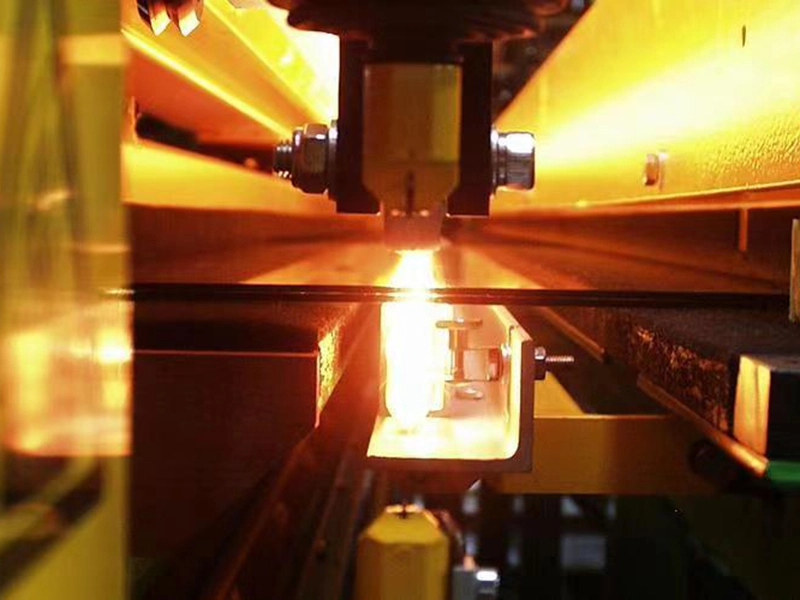
Cutting ultra-thick glass is a brutal process. If you’ve ever tried to score a cold, heavy slab, you know the feeling—the material just fights you. It puts a massive amount of pressure on the cutting wheel, which means your blades wear out way too fast and your break lines end up looking jagged and inconsistent. It’s frustrating. But there’s a better way. We use shortwave infrared (IR) lamps to take the fight out of the glass. Instead of forcing a blade through a cold surface, we use these lamps to soften the glass right along the path where the cut is happening. Think of it as prepping the glass. Shortwave IR sinks deeper into the material than standard heat. We aren’t melting the glass—that would be a disaster—but we are lowering its hardness. When the cutting wheel finally hits that pre-heated line, it doesn’t struggle. It just glides. Of course, you can’t just throw a lightbulb on the machine and call it a day. You need a lot of power packed into a very small area. We set these lamps up to blast intense heat directly onto the score line. The trick is the alignment. You have to get the focal point exactly right. If the heat spreads too far, you might warp the rest of the glass. If it’s too narrow? You’ll hit a “cold spot,” and that’s usually when you hear the sound of a cutting wheel snapping. There are a few chores that come with this setup, too. These lamps get incredibly hot. That heat doesn’t just stay in the glass; it soaks into the machine frame. If you don’t have your cooling fans or water jackets dialed in, you’re going to fry your sensors. And please, keep the quartz envelopes clean. A little bit of dust or a few stray glass shards on the lamp can create hot spots that crack the tube. We usually just give them a quick wipe-down with isopropyl alcohol once a week to keep everything running smooth. It’s a simple trade-off. A little bit of maintenance and some heat management means your blades last longer and your cuts come out clean every single time.