
Dealing with the Footprint Headache in Custom Glass Bending
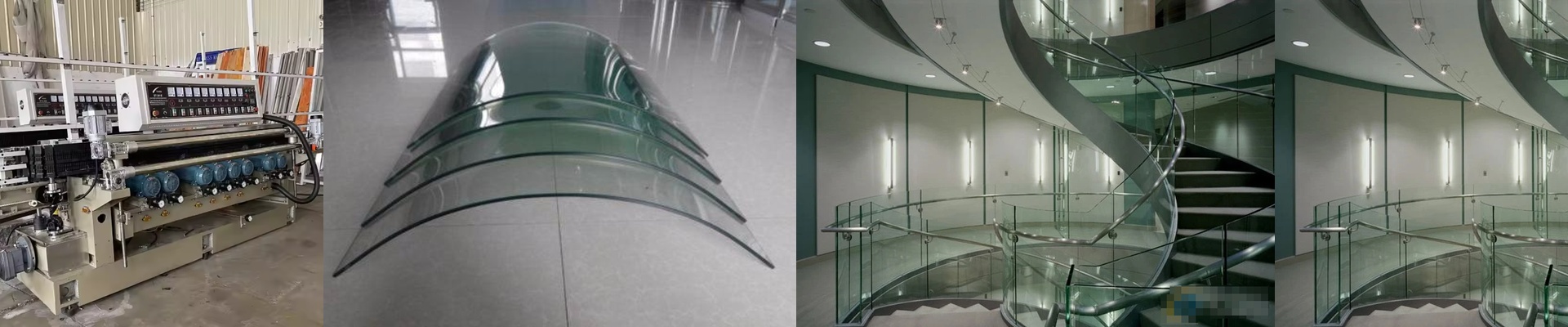
If you’ve ever tried to design a non-standard bending furnace, you know the struggle. The biggest pain is almost always the space. You’ve got this specific, curved geometry or a cramped internal layout, and suddenly, those standard straight quartz tubes just won’t fit. It’s frustrating. That’s where we come in. Instead of forcing a square peg into a round hole, we just build the infrared lamps to match your machine’s actual interior—custom lengths, custom bends, the whole bit.
Getting the Heat Where It Actually Needs to Go
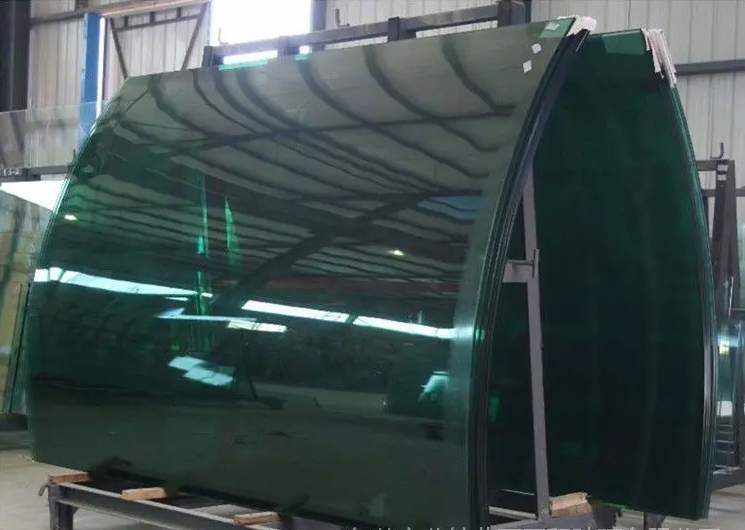
Here’s the thing about off-the-shelf lamps: they leave dead zones. If a lamp can’t get close to the glass because the space is too tight, you lose heat flux. Simple as that. We solve this by bending the quartz envelopes to mirror the curve of your workpiece. This means the infrared radiation hits the glass at a consistent angle, no matter the shape. You tell us the exact length and the radius you need. We take care of the tricky part—positioning the internal tungsten filament so it doesn’t touch the quartz wall during the bend. If that filament shifts even a tiny bit? The lamp burns out the second you flip the switch. We make sure that doesn’t happen.
The Trade-offs (Because Nothing is Perfect)
Now, custom shapes do change how the heat behaves. A tight bend creates a “hot spot” where the heat density is higher. You’ll want to keep an eye on your PID tuning so you don’t accidentally overheat the glass at the apex of the curve. Plus, it’s a good idea to double-check your cooling fans. When you’re packing lamps into tight spaces, the ends and connectors can get dangerously hot if they aren’t breathing.
Making Installation Easy
Nobody wants to spend their afternoon hacking away at brackets in the field. That’s a great way to put mechanical stress on the quartz and end up with a shattered lamp. To avoid that, we build these as drop-in replacements. Whether you need a specific lead-wire length or a weird connector, we build it exactly to your drawing. You just slide it in, plug it in, and get back to work.