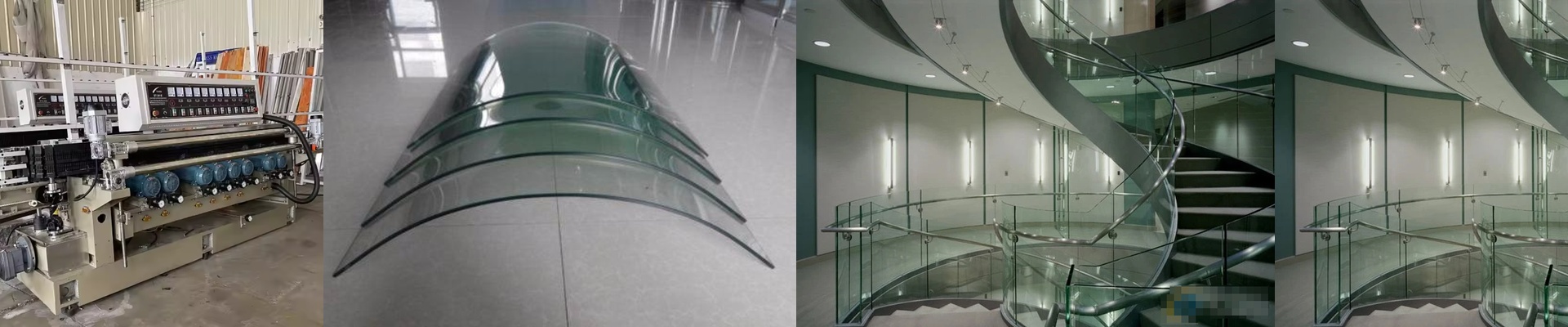
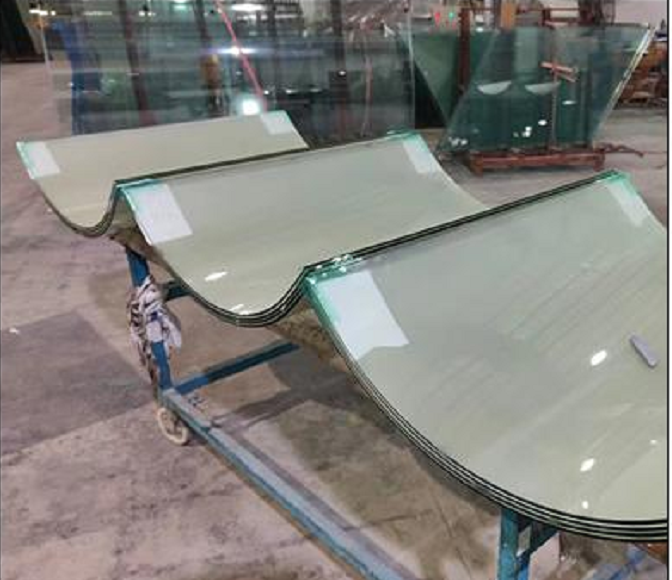
Let’s be honest: trying to rig up single infrared lamps on a production line is usually a headache. You end up with installation mistakes, weird cold spots, and heat that just isn’t hitting where it needs to. That’s why we stopped just selling raw tubes. Instead, we build curved heating modules specifically for glass score lines. It means your team doesn’t have to spend their afternoon manually bending supports or wrestling with wiring on the shop floor. The trick to score line heating When you’re scoring glass, you need heat that’s precise and localized. You want to soften the material without shocking the glass and causing a crack. We use short-wave quartz lamps to get this right. By tweaking the wattage and voltage, we can put the heat exactly on that score line. Now, high-wattage tubes are great because they ramp up fast, but they get hot—really hot. Just make sure your chassis has plenty of breathing room so the housing doesn’t warp while it’s running. Why a module beats a part A lamp by itself is just a piece of hardware. A module is something that actually works for you. We build ours with integrated reflectors and curved brackets. This is a big deal because it ensures the IR radiation hits the glass at a perpendicular angle. That’s how you get the most heat into the material. Plus, we handle all the wiring and the industrial terminals before it leaves our shop. You just drop it in. No more “guessing and checking” to see if the alignment is close enough. Saving your sanity (and your schedule) Building these arrays yourself eats up way too many man-hours. You’ve got to spec the brackets, line up the lamps, and test every single circuit. It’s tedious work. Our modules arrive pre-tested. You bolt them in, plug them in, and you’re back in production. Sure, a module takes up a bit more space than a bare lamp. But in exchange, you get a thermal profile that stays the same across every single meter of glass. It means less scrap in the bin and way less fiddling with the settings every time a new shift starts.