
Why you should ditch those old bathroom heat lamps
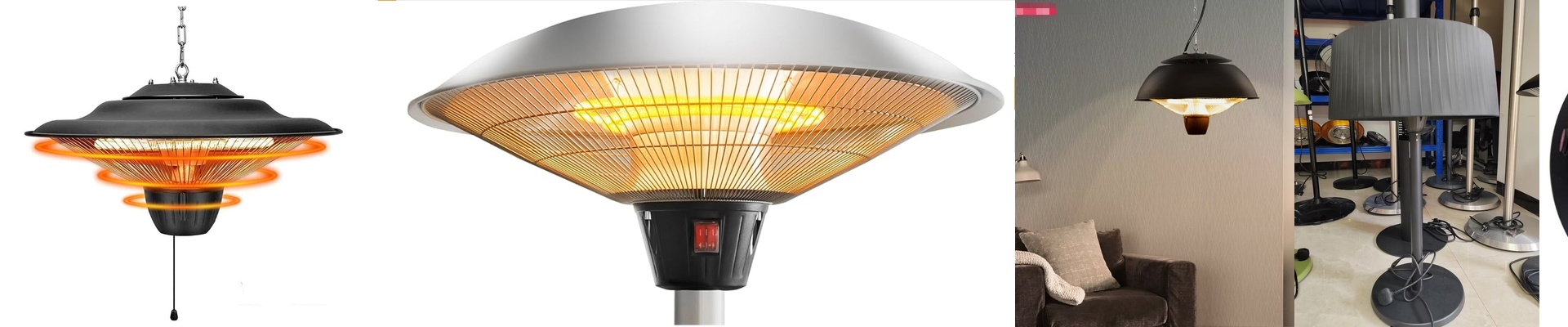
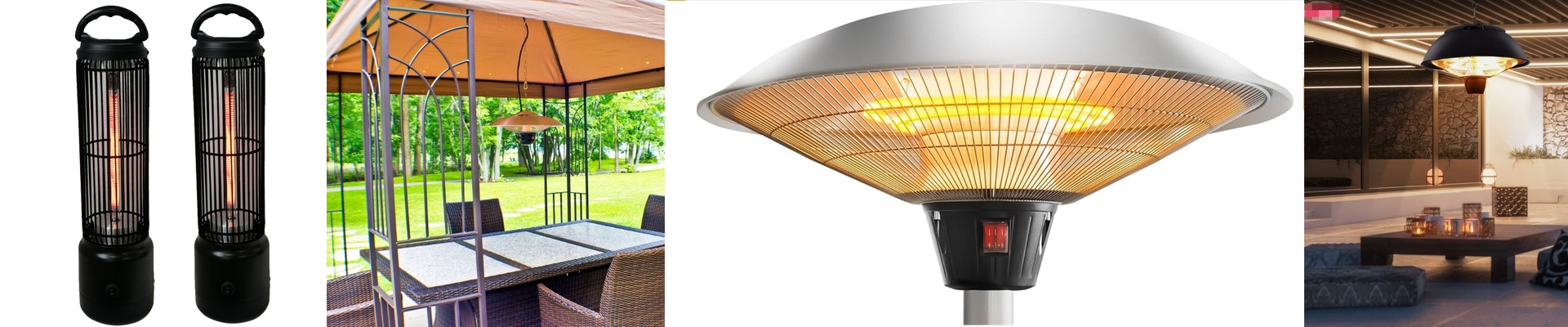
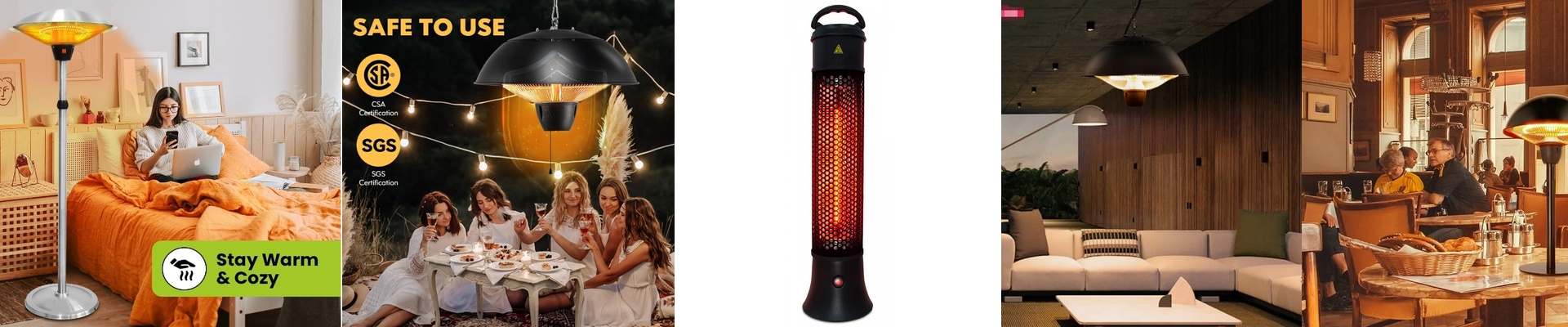
We’ve all been there. You step out of a hot shower, and the second you hit the air, you start shivering. Most of us rely on those old-school halogen heat lamps to fix this, but they have a nasty habit of dying right when you need them. Here is the problem: bathrooms are wet. Steam gets everywhere. In those cheap lamps, moisture creeps into the housing, shorts out the wires, or hits a hot quartz tube and cracks it instantly. It’s a recipe for a dead fixture. That’s why more people are switching to high-IP rated infrared heaters. What’s the big deal with “IP ratings”? If you aren’t into the technical side of things, “IP” basically just tells you how well a device keeps out dust and water. When you see IPX4 or IPX5, it means the heater is actually built to handle splashes and heavy steam. But the real magic is in how it heats. Standard heaters just move warm air around. But the moment you flip on the exhaust fan, that warmth is gone. Infrared is different. It sends out warmth that hits your skin directly. It feels more like standing in the sun. It’s a cozy, immediate heat that doesn’t just vanish into the vent. How it actually works To keep the electronics safe, these units use silicone gaskets and sealed entries so water can’t sneak in. The heating element sits behind a piece of tempered glass. It’s a win-win. The glass keeps the water off the sensitive parts, and it keeps you from accidentally touching something scorching hot. For anyone doing the install, it means fewer headaches and way fewer service calls. A few things to keep in mind Before you go buying one, there is a catch. These units pull a lot of power. You can’t just swap a lightbulb for one of these and call it a day. If you wire a high-wattage heater into an old, thin lighting circuit, you risk overheating the cables inside your walls. Not great. Check your wiring gauge first. Also, don’t go overboard. If you put a massive, high-powered heater in a tiny shower stall, it’ll feel like a sauna in seconds. You want to match the wattage to the size of your room so it feels comfortable, not oppressive.